COMEX-ARC is a non-profit organisation based in Paris and active across the world. It is driven by a transnational collective of artists, researchers, and cultural practitioners whose trajectories span Europe, the Mediterranean, and the Global South diaspora.
Our collective brings together artistic practice, social science research, and field-based experience, allowing us to design projects that are both intellectually rigorous and deeply grounded in lived realities.
We develop projects that respond to pressing contemporary issues such as migration, identity, memory, and belonging as lived realities. Our distinction lies in our ability to bridge artistic practice with critical research, grounding creation in ethical reflection, field-based knowledge, and community-led processes.
Névyne Alexandra Zeineldin
Founder and President
Névyne Alexandra Zeineldin is a sociologist, political scientist, researcher, and curator specialising in cultural policies, artistic scenes, and questions of identity, mobility, cosmopolitanism and representation. She is the Founder and President of COMEX-ARC, an international non-profit organisation dedicated to developing intercultural dialogue, collaborative creation, and knowledge exchange across Europe, the Mediterranean, and the Middle East. Her work have developed through extensive collaboration with internationally recognised scholars and institutions, including Panthéon-Sorbonne University, Sciences Po Paris, INALCO Paris, Hugo Observatory, French Research Center of the Arabian Peninsula, NYU Abu Dhabi, King’s College London, the Pontifical Urban University. Over the years, she has conducted fieldwork across Europe and the Arab region, focusing on the intersections between culture, public policy, artistic production, and social transformation. Committed to bridging academic research and cultural practice, she has designed and coordinated interdisciplinary projects bringing together artists, researchers, and cultural practitioners from diverse backgrounds. Through COMEX-ARC, she promotes participatory methodologies, international cooperation, and innovative approaches to cultural engagement, with a particular focus on heritage, memory, mobility, and emerging artistic expressions. Her work is driven by a belief in culture as a space for dialogue, critical reflection, and collective imagination.
Eman Maarek
Co-Founder
Eman Maarek is a Co-Founder of COMEX-ARC, and a researcher, trainer, and development practitioner working at the intersection of culture, research, and community engagement. She has led and contributed to initiatives across the Middle East in collaboration with international organisations including the United Nations Development Programme (UNDP), the European Union, and the British Council, with a focus on youth engagement, education policy, and sustainable development. Alongside her professional practice, Eman has contributed to academic research through the School of Global Affairs and Public Policy (GAPP) at the American University in Cairo (AUC), particularly in the field of democratic governance. More broadly, she has developed extensive expertise in qualitative, ethnographic, and participatory research, exploring how collective memory, civic participation, and culture can contribute to social transformation.
She is the Co- author of 100 Years of Cooperation: An Analytical Study of the Cooperative Movement in Egypt (Arabic) and Creating Alternative Futures: Cooperative Initiatives in Egypt. At COMEX-ARC, Eman designs research-informed capacity-building programmes and community engagement strategies that connect artists, researchers, and local communities across the Mediterranean. Her work bridges academic inquiry and socially engaged cultural practice, creating collaborative spaces where artistic production, critical reflection, and local knowledge contribute to more inclusive and equitable futures.
Sarah H. Awad
Advisory Board Member
Sarah H. Awad is Associate Professor of Sociocultural Psychology at Aalborg University, Denmark, where her research focuses on the relationship between culture, imagination, visuality, and social change. She holds a PhD in Cultural Psychology from Aalborg University and an MSc in Social and Cultural Psychology from the London School of Economics and Political Science. She studies processes by which individuals make sense of change through visual and narrative tools and the influence of visual culture on identity, collective memory and politics within a society. Her research contributes to contemporary debates on the psychology of images, the politics of representation, and the ways people navigate uncertainty and change. Beyond academia, Sarah has coordinated art facilitation initiatives and public visual campaigns in collaboration with organisations such as the United Nations Development Programme and the British Council. She is the author and co-author of several publications, including Seeing Matters, Remembering as a Cultural Process, Street Art of Resistance, and The Psychology of Imagination. Through her scholarship and public engagement, she continues to develop innovative approaches for understanding how visual culture shapes both personal experience and collective life.
Nesreen Sharara
Advisory Board Member
Nesreen Sharara is an Egyptian traditional artist, designer, cultural practitioner, and workshop facilitator whose work is dedicated to preserving traditional craftsmanship while developing contemporary forms of cultural engagement. Combining artistic practice with a strong professional background in management, she brings a multidisciplinary perspective to questions of heritage, creativity, and community participation. She holds a Bachelor's degree in Business Administration from Cairo University and a diploma in Human Resources Management from the American University in Cairo. Driven by a passion for traditional arts, she completed the two-year programme at Jameel House of Traditional Arts in Cairo with a specialisation in woodwork. She has also pursued studies in Kufic calligraphy through Al-Qalam Foundation as part of her broader engagement with Islamic art and design traditions. With more than eighteen years of experience in marketing, human resources, project management, and training, Nesreen combines organisational expertise with artistic practice and cultural facilitation. Her work focuses on safeguarding intangible heritage, promoting traditional knowledge, and creating opportunities for community participation through art. In 2023, she founded Muzhir, a brand inspired by heritage, memory, and personal narratives. Through handmade objects and artistic creations, she explores how craftsmanship can contribute to cultural transmission, identity formation, and the preservation of collective memory in rapidly changing societies.
Beyond individual roles, we function as a horizontal collective.
Our diversity of disciplines, geographies, and lived experiences allows us to approach cultural projects with nuance, sensitivity, and critical depth.
Exhibitions
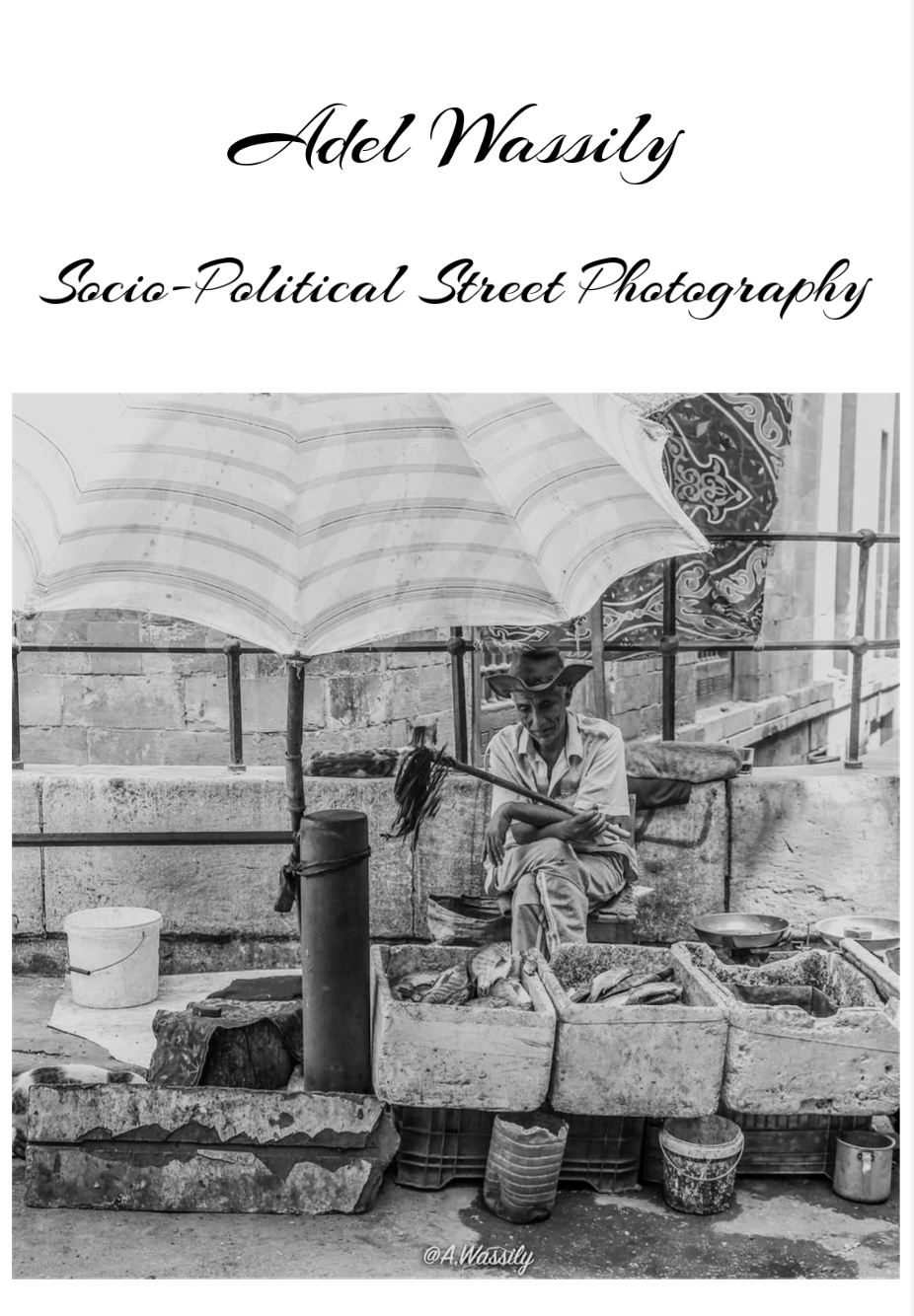
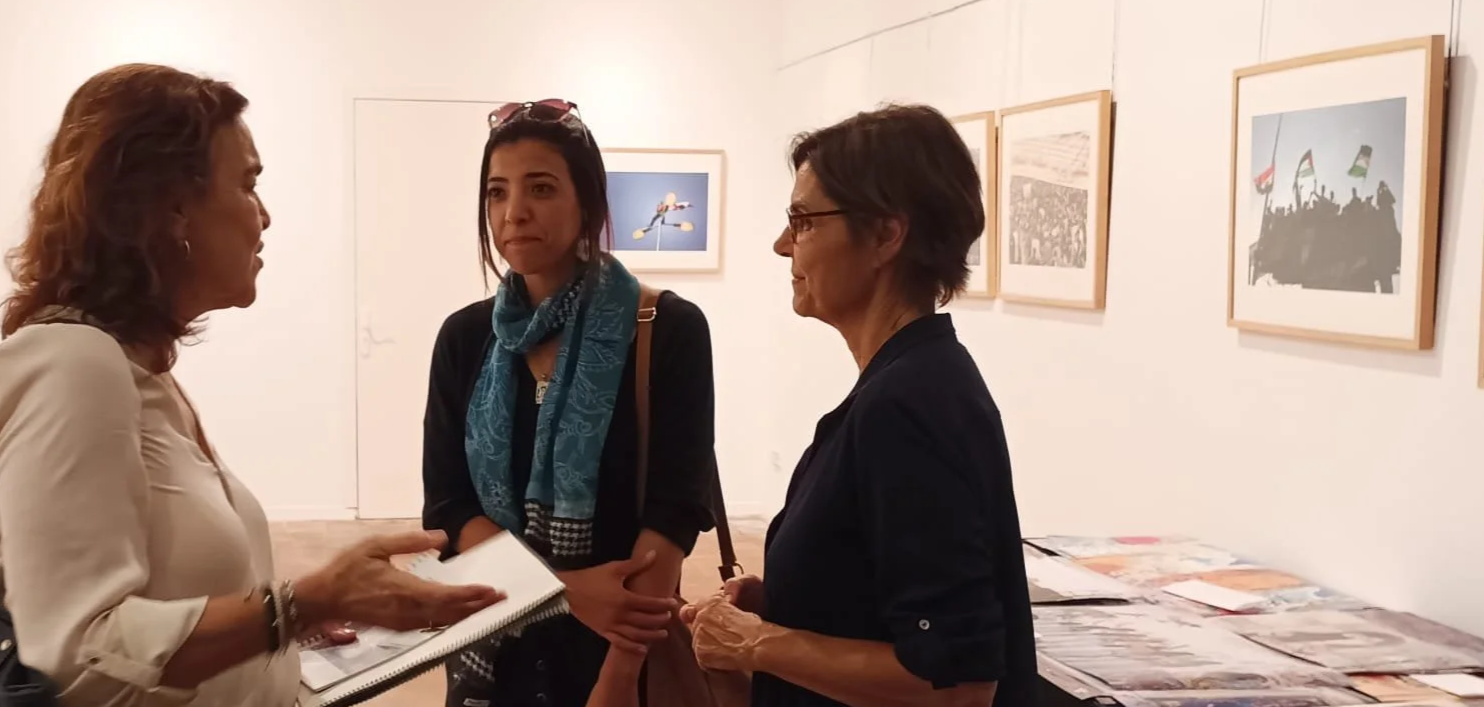
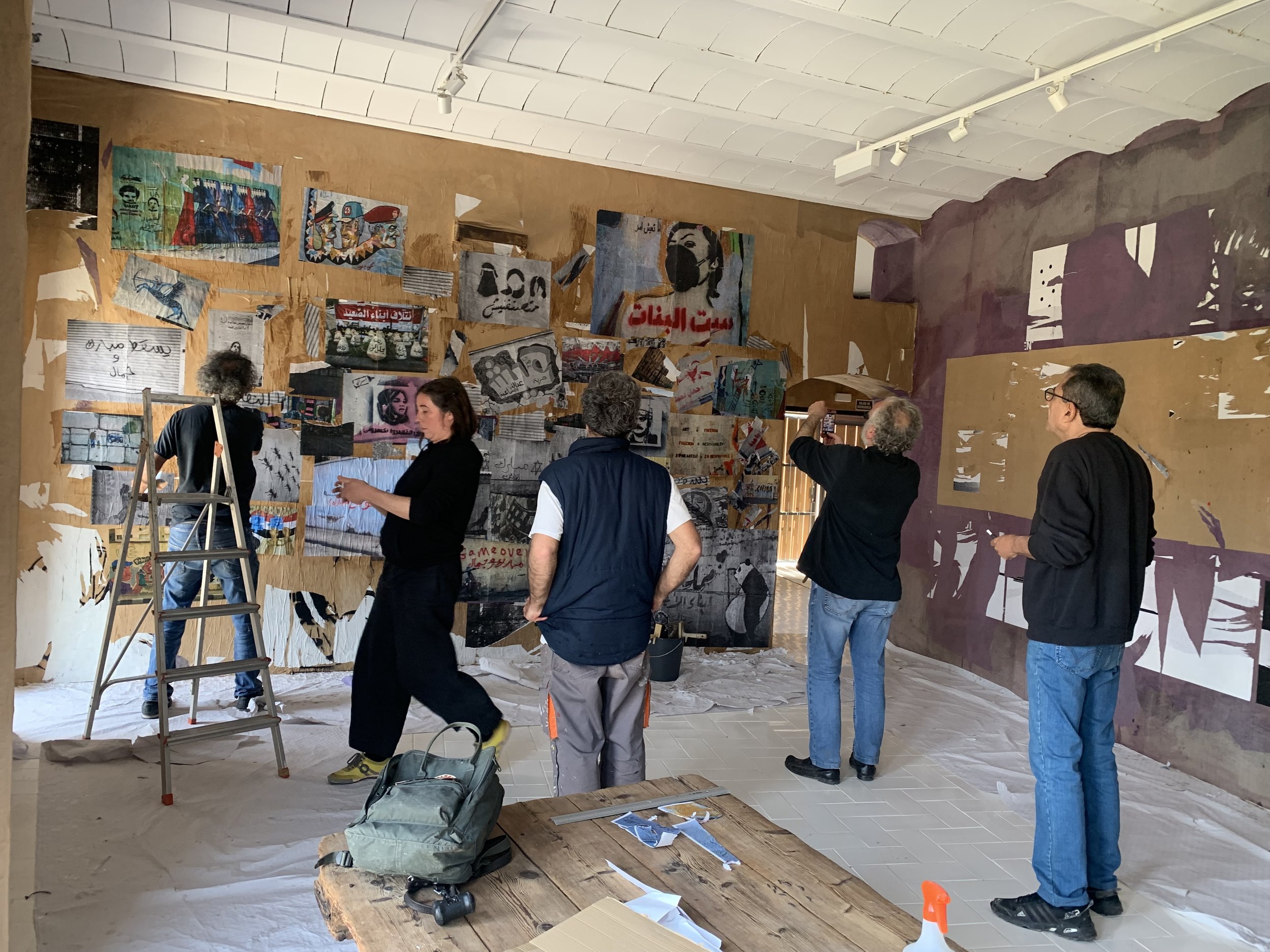
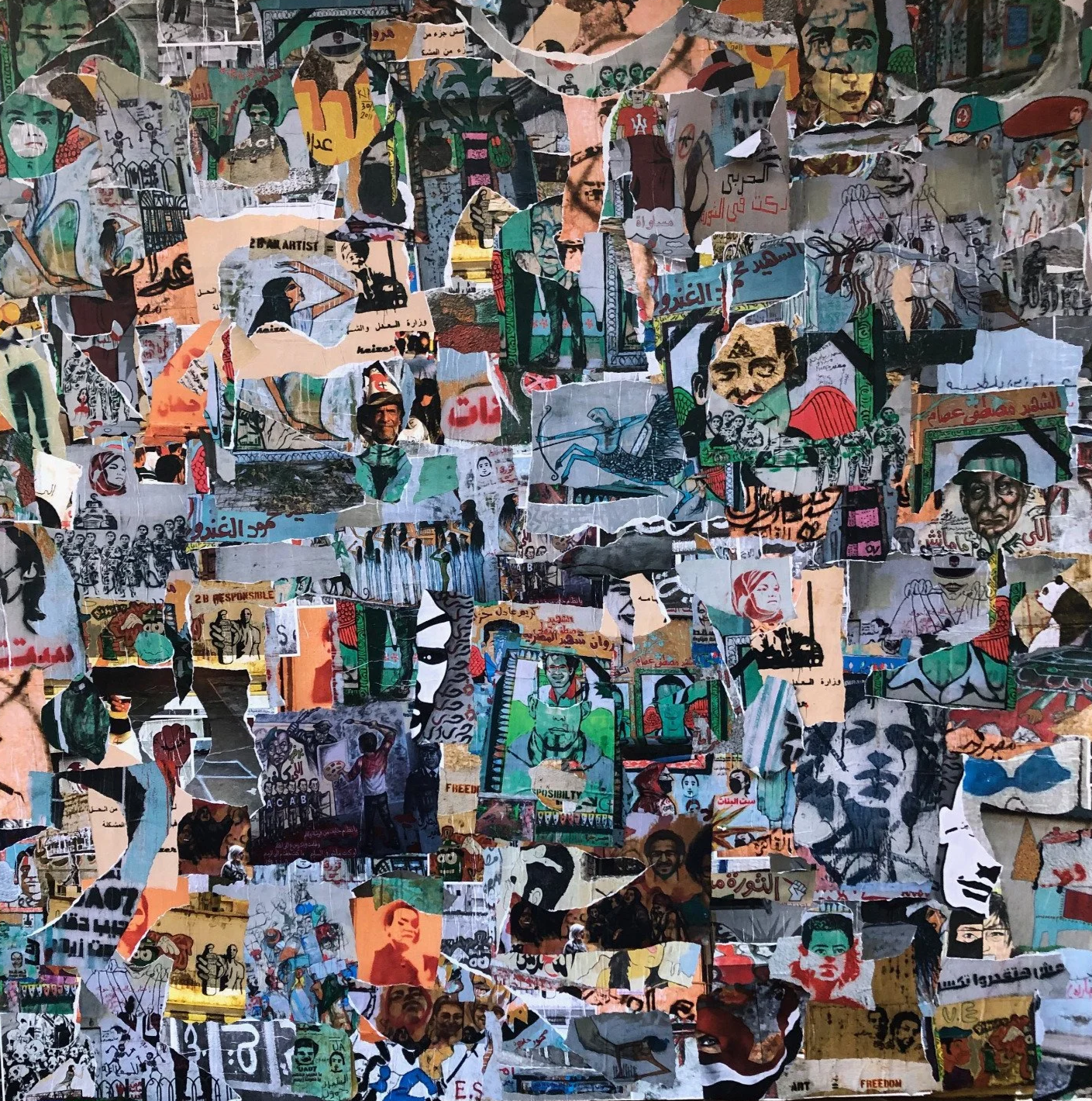
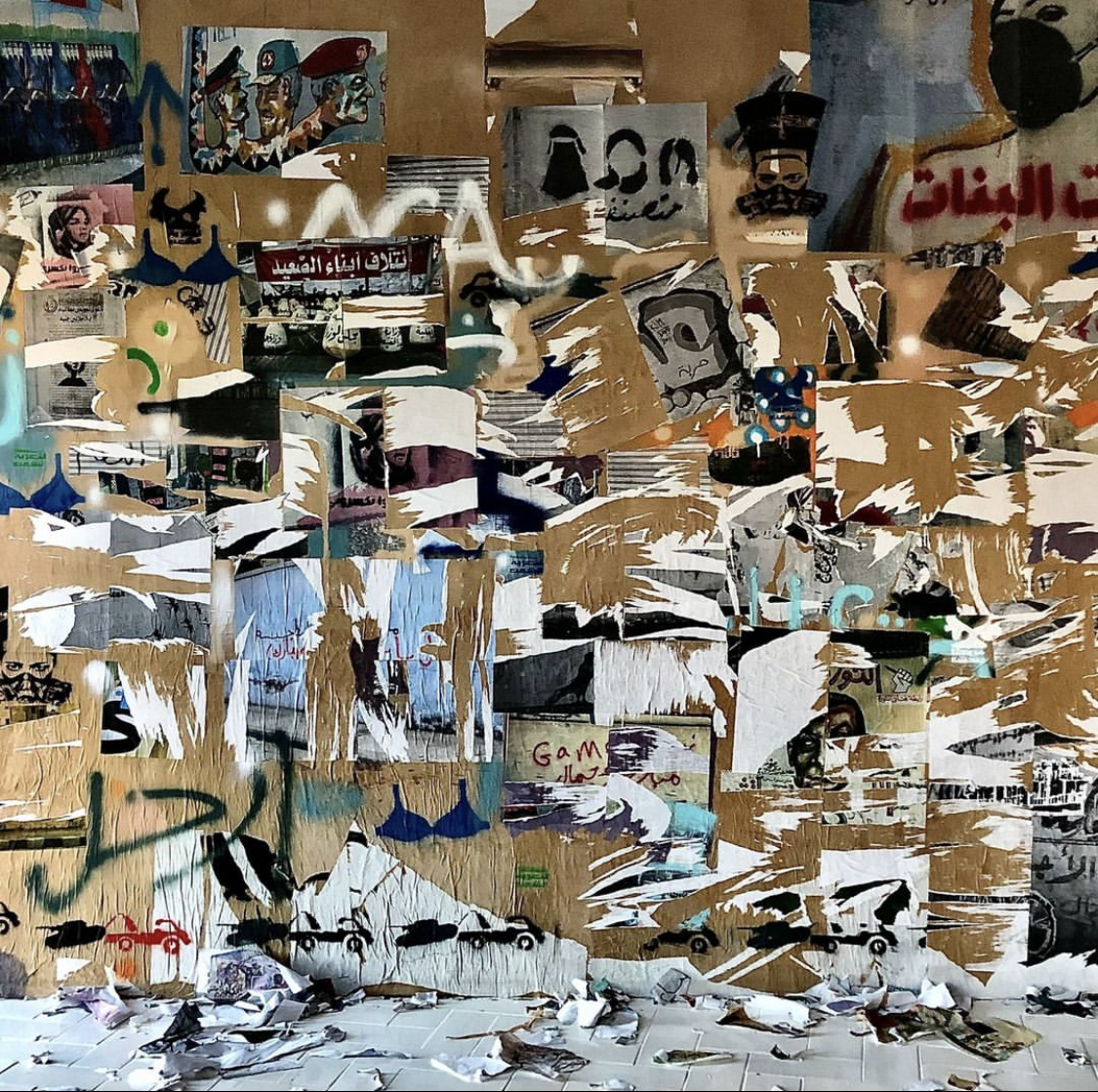
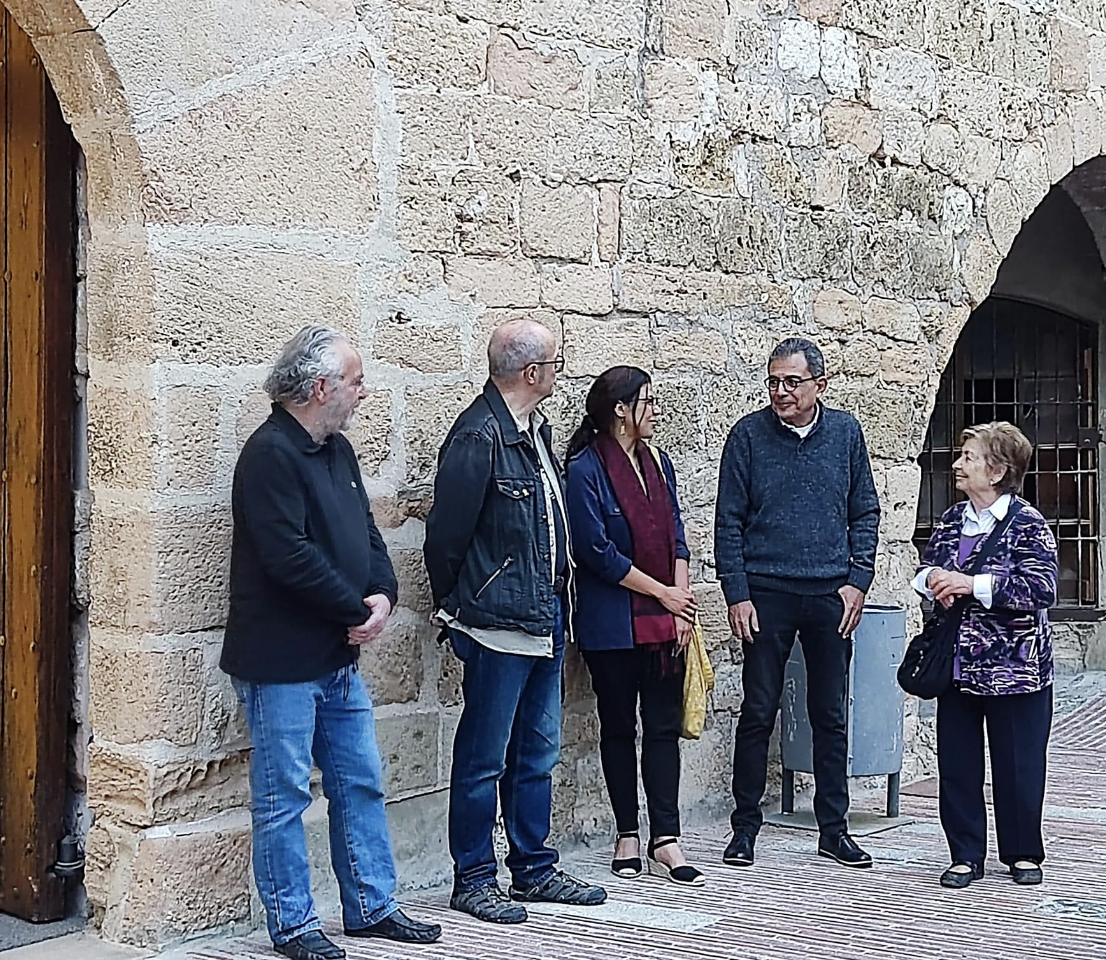
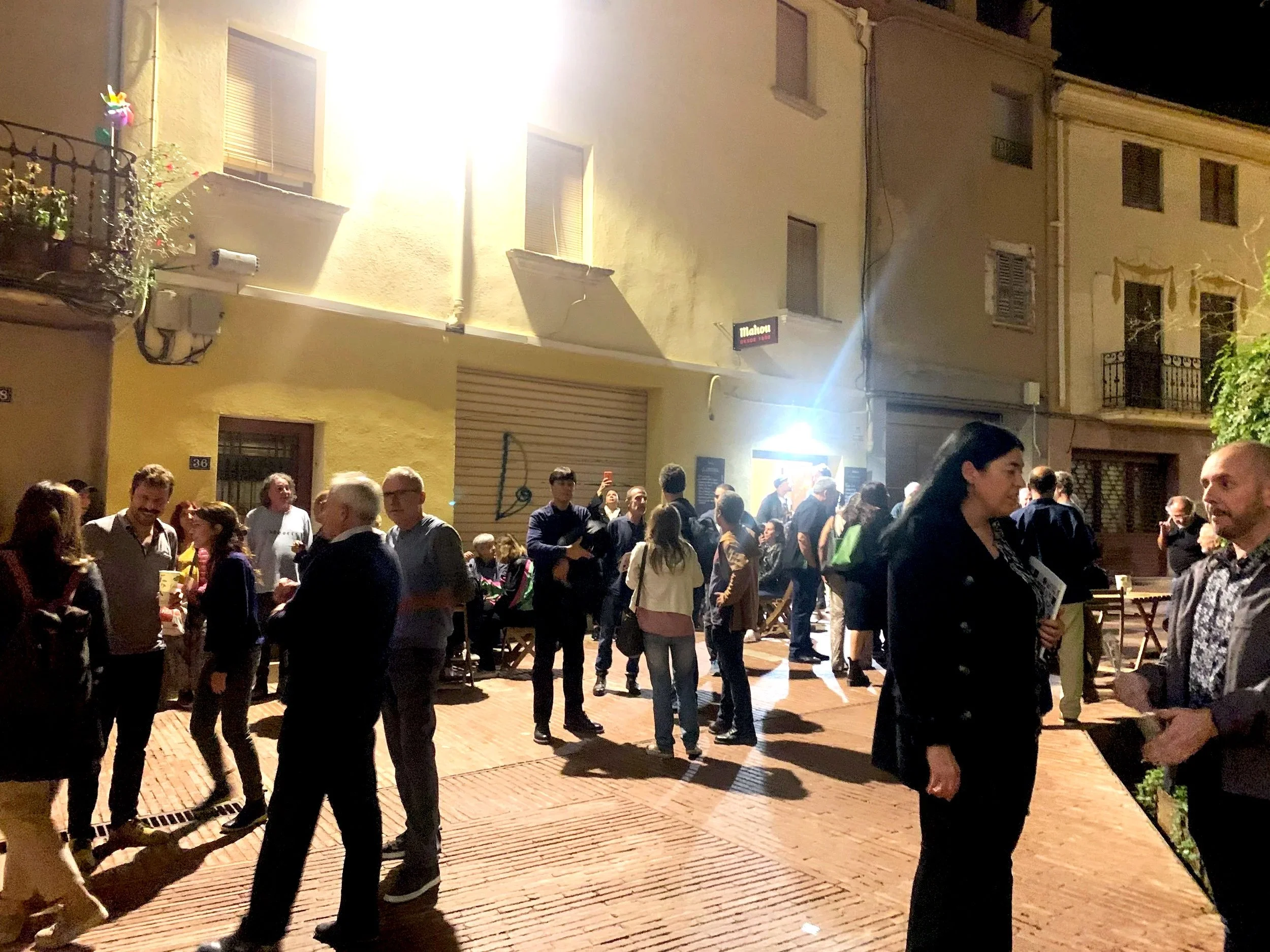
From April to May 2023, the abandoned paper mill Cal Xerta (Catalunya) became a vibrant meeting place for artists and citizens through Tahrir – The Thousand and One Voices of Hope, an exhibition by Egyptian photographer and activist Adel Wassily. His images of the 2011 Tahrir Square uprising resonated strongly with European audiences, echoing movements such as 15-M, Occupy, Nuit Debout, #MeToo, and Black Lives Matter.
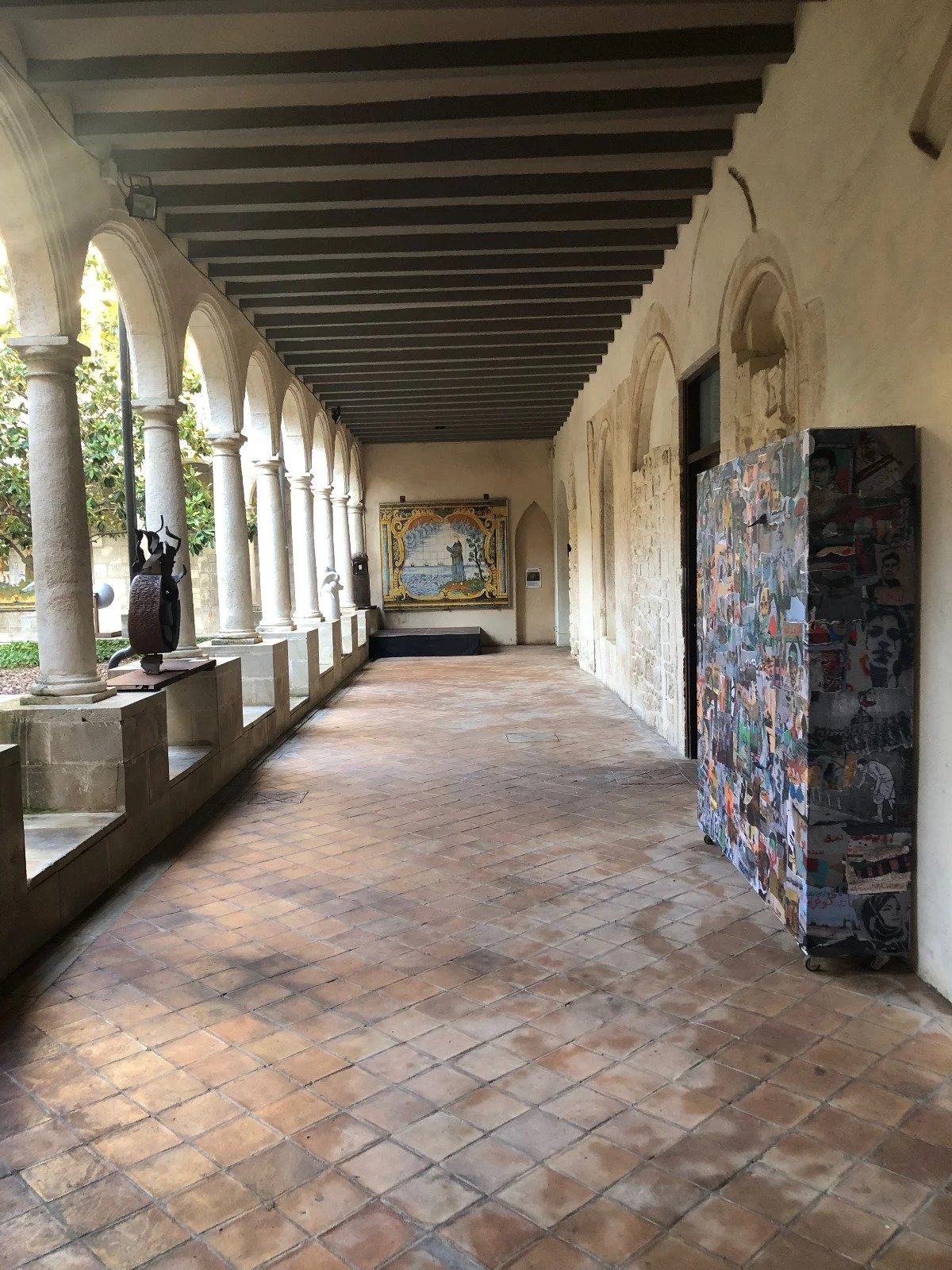
Following its success, the exhibition was re-presented at the 14th-century Claustre de Sant Francesc in Vilafranca del Penedès (Sept–Oct 2023), alongside new street-art murals by international artists, immersive audiovisual installations, and public discussions.
Together, these exhibitions affirmed Tahrir and global civic struggles as part of a shared Mediterranean and European memory, blending photography, street art, sound, and collective participation into a powerful civic laboratory.
Immersive Residency in Papermaking, Art & Research.
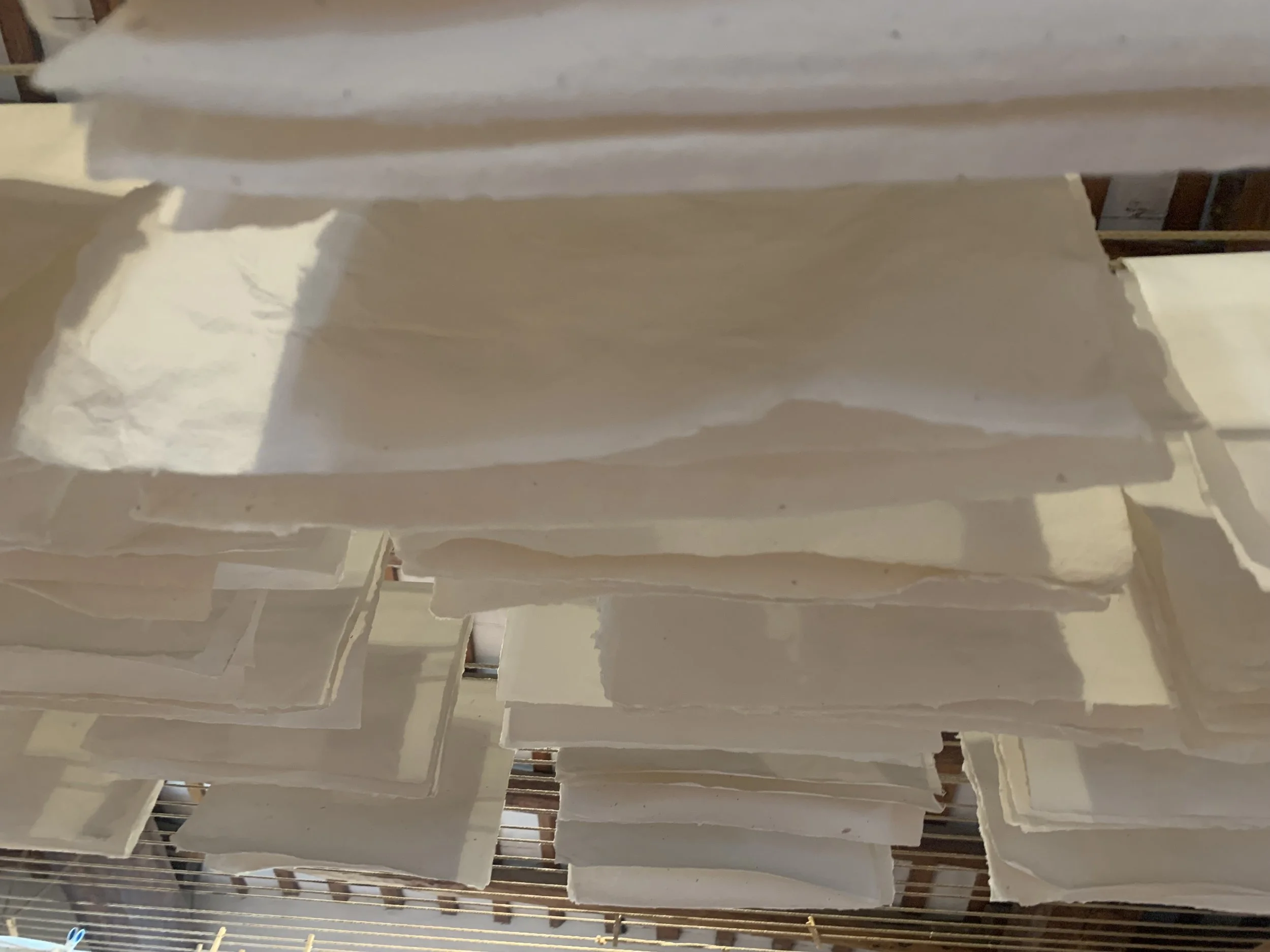
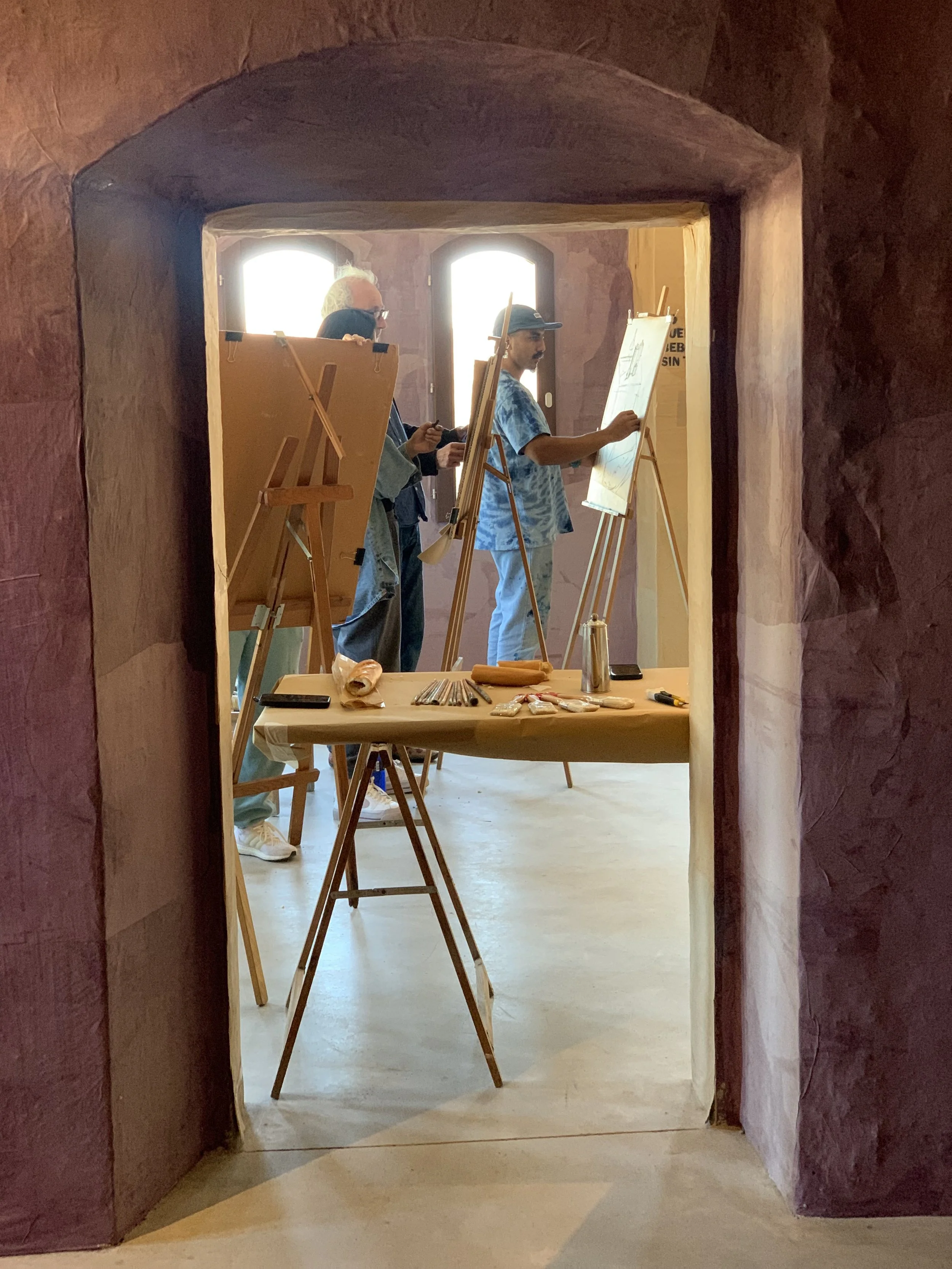
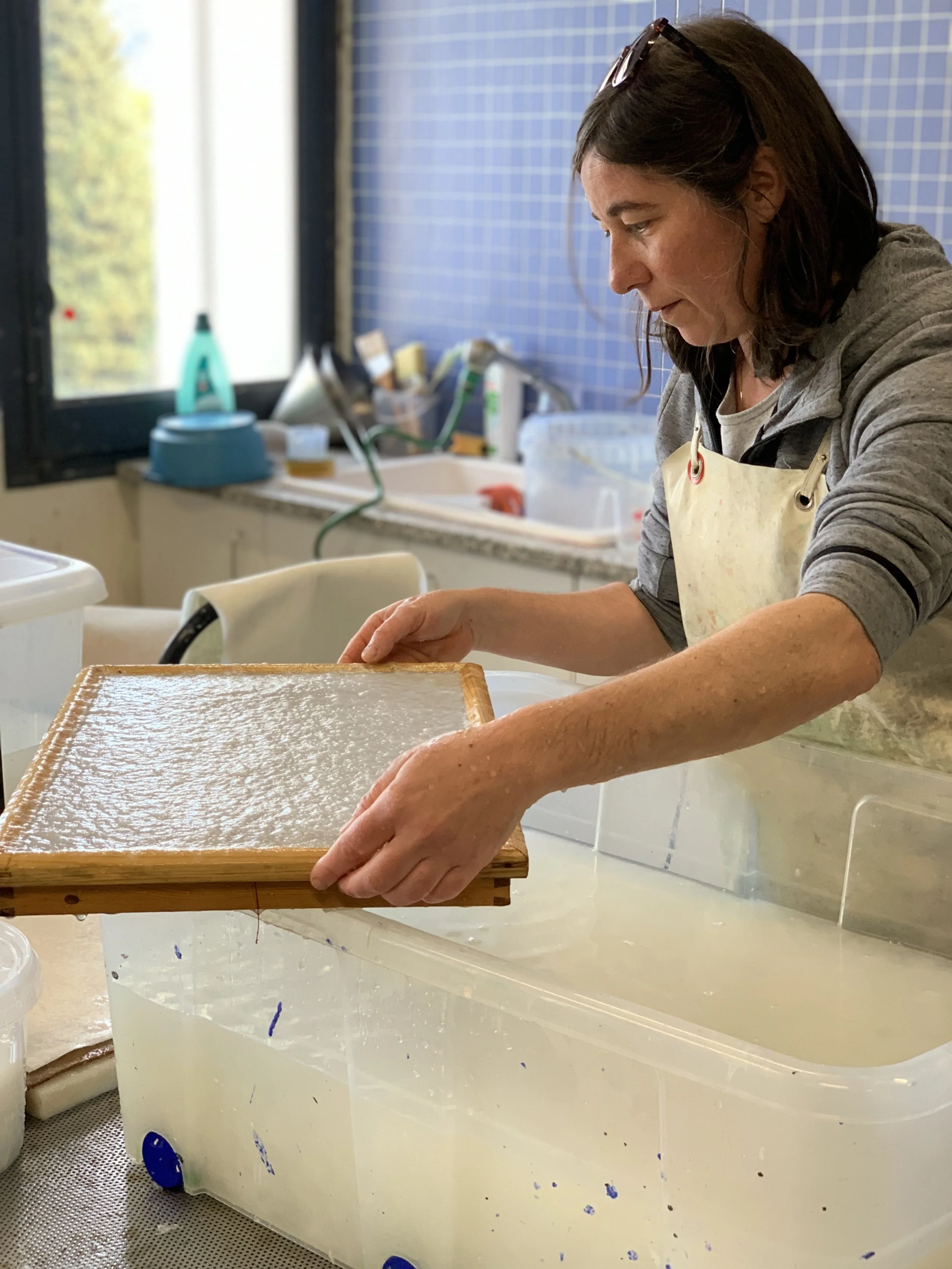
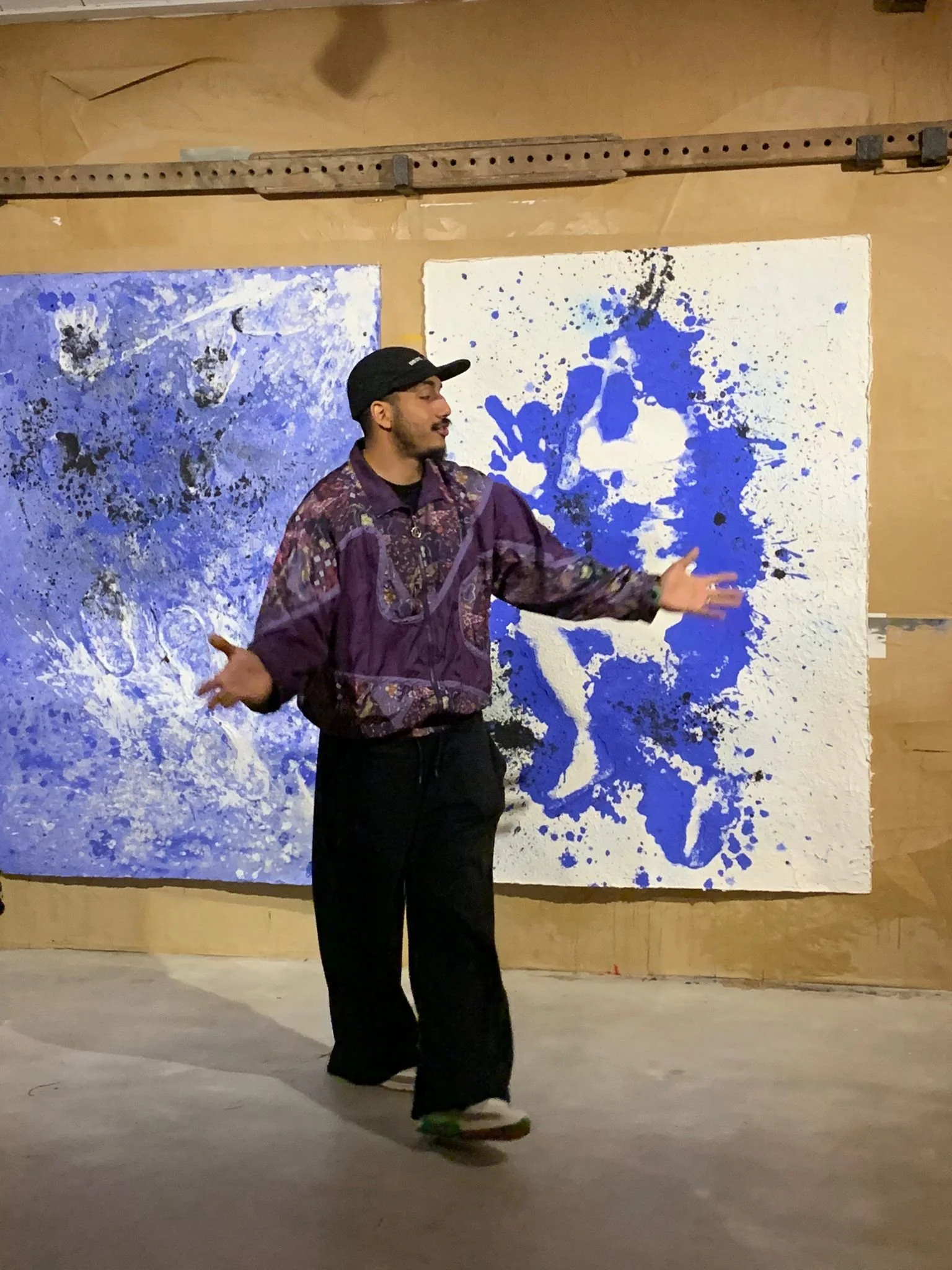
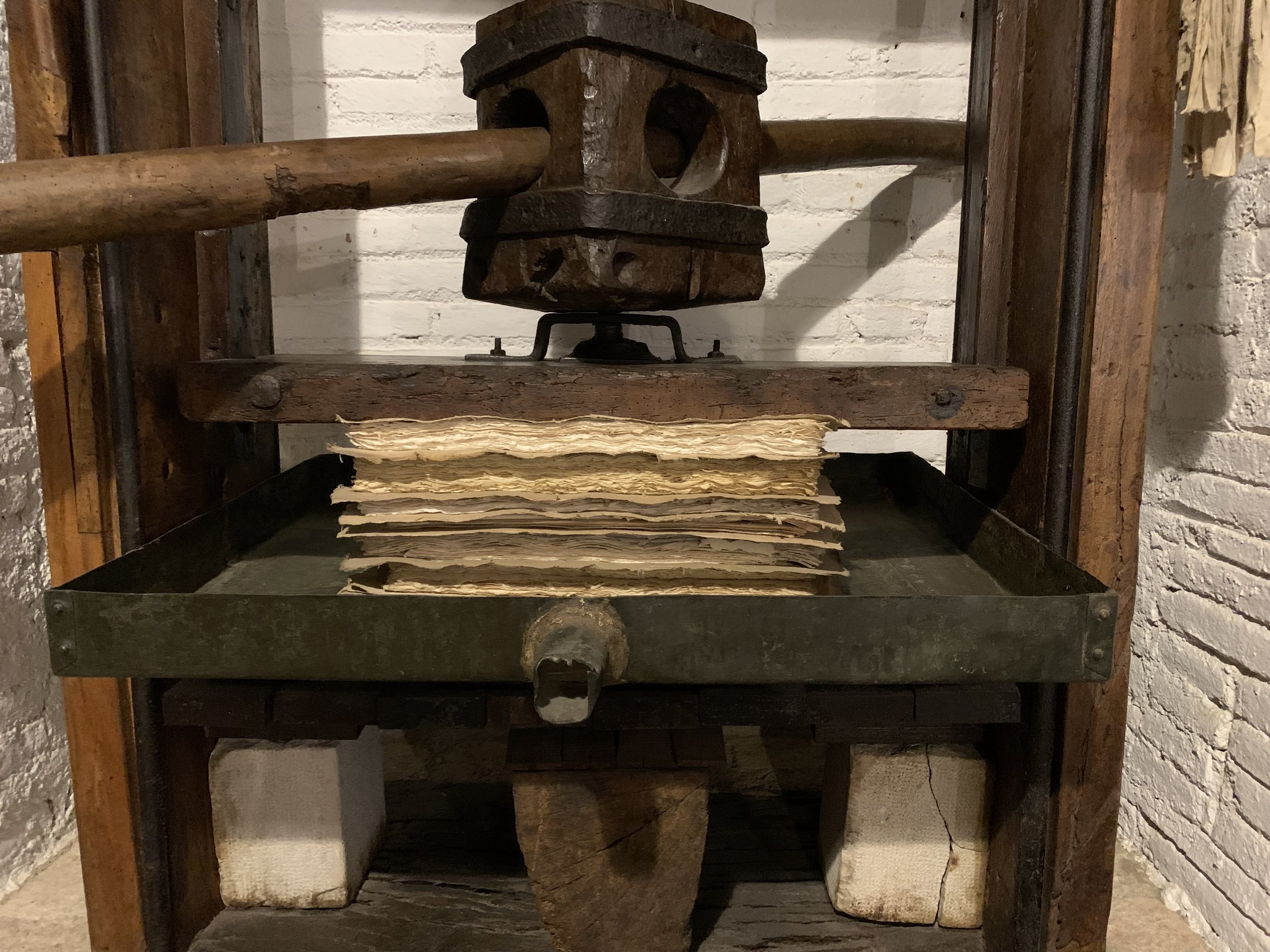
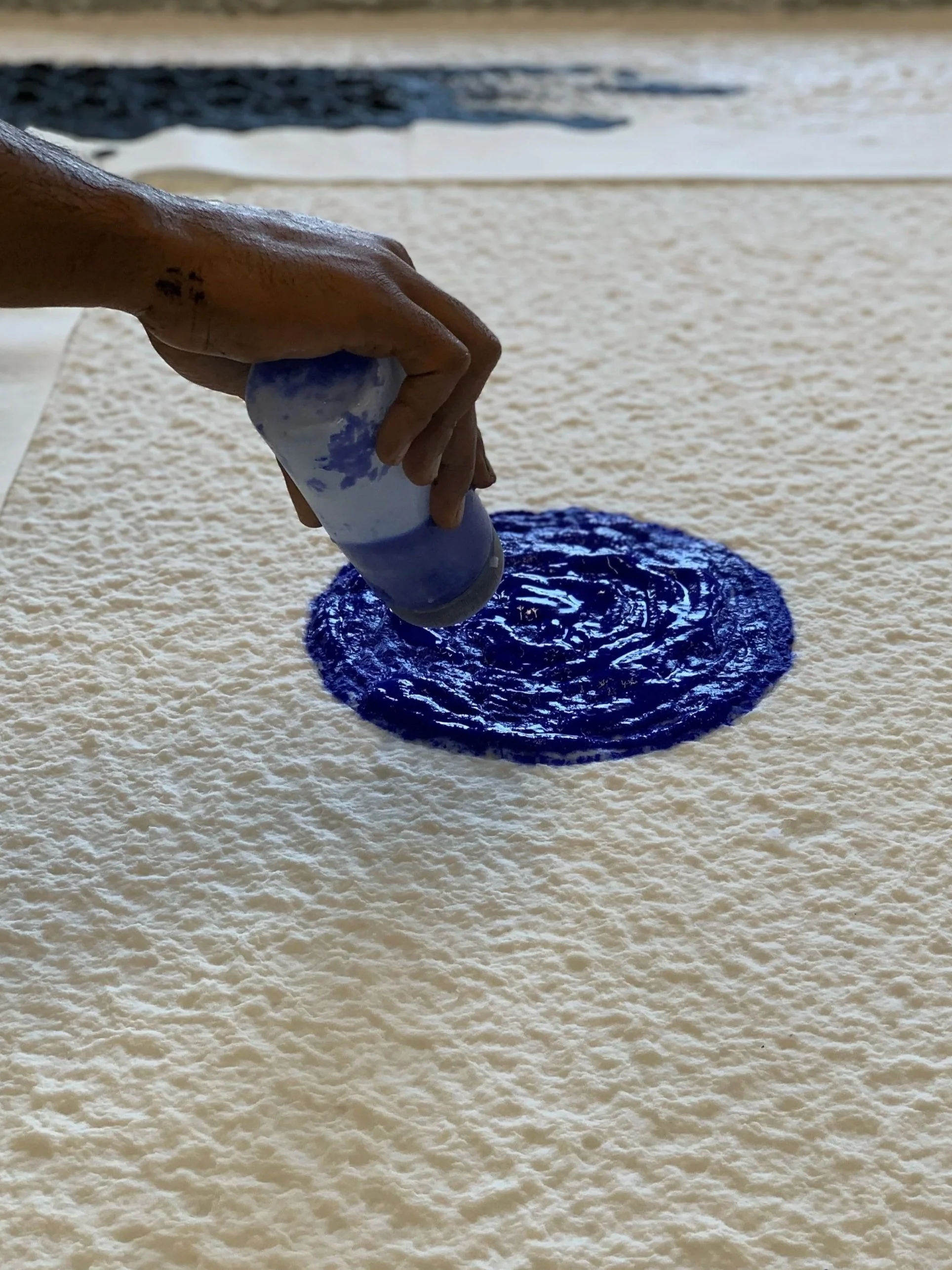
This month-long residency, developed with Territori d’ArT and the Capellades Paper Museum, invited artists to explore papermaking as both material practice and research-based creation. Combining ancestral techniques, contemporary experimentation, and critical inquiry, participants worked with handmade paper, natural pigments, printmaking, and mixed media while developing their own projects with ongoing mentorship.
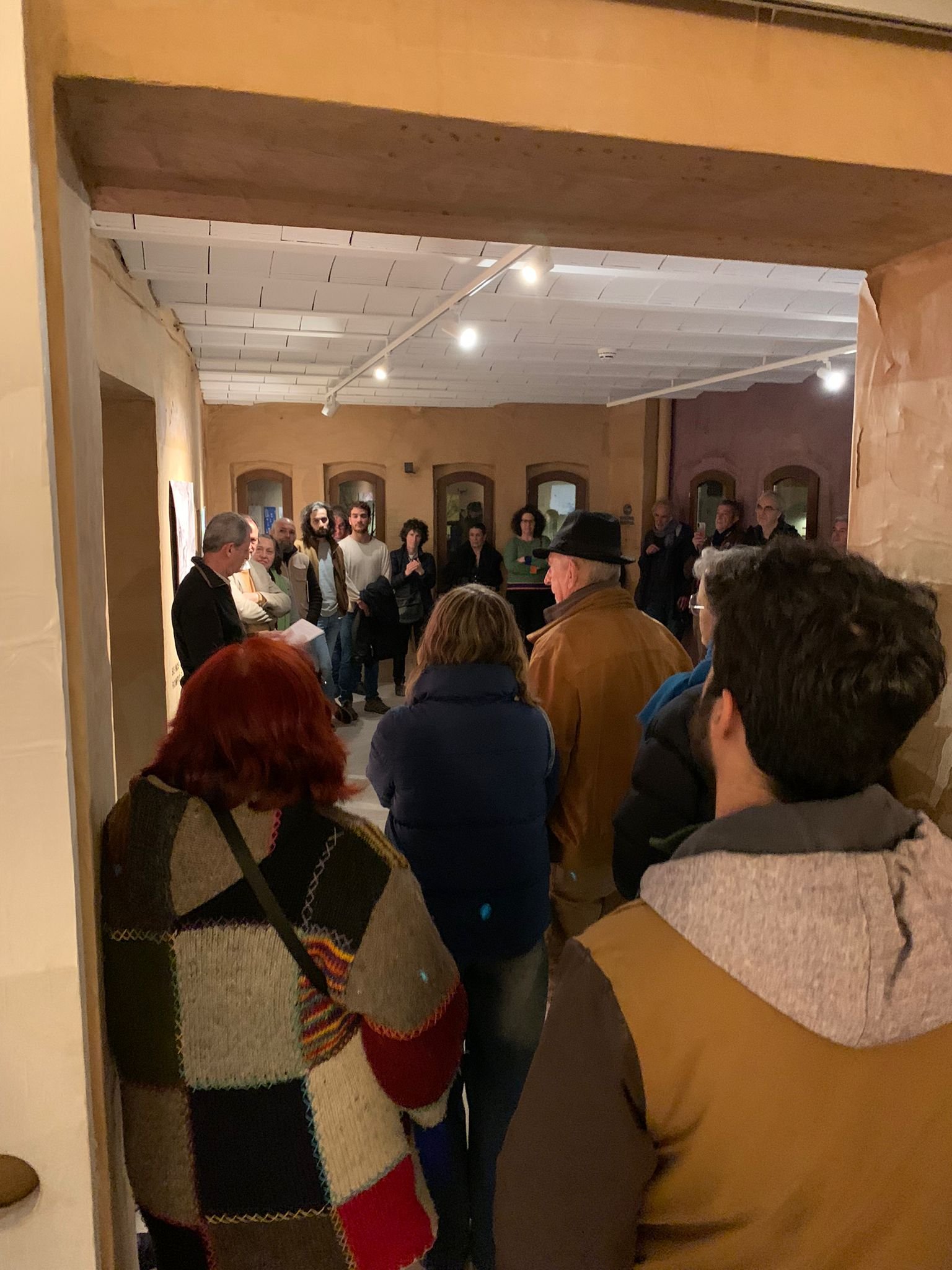
Hosted across heritage studios, museum workshops, libraries, and historical houses, the programme also integrated writing workshops, academic talks, and seminars linking art with social sciences. The residency concluded with a public exhibition at Cal Xerta, presenting the works created during this immersive experience.
Creative & Scholarly Research / Knowledge Production
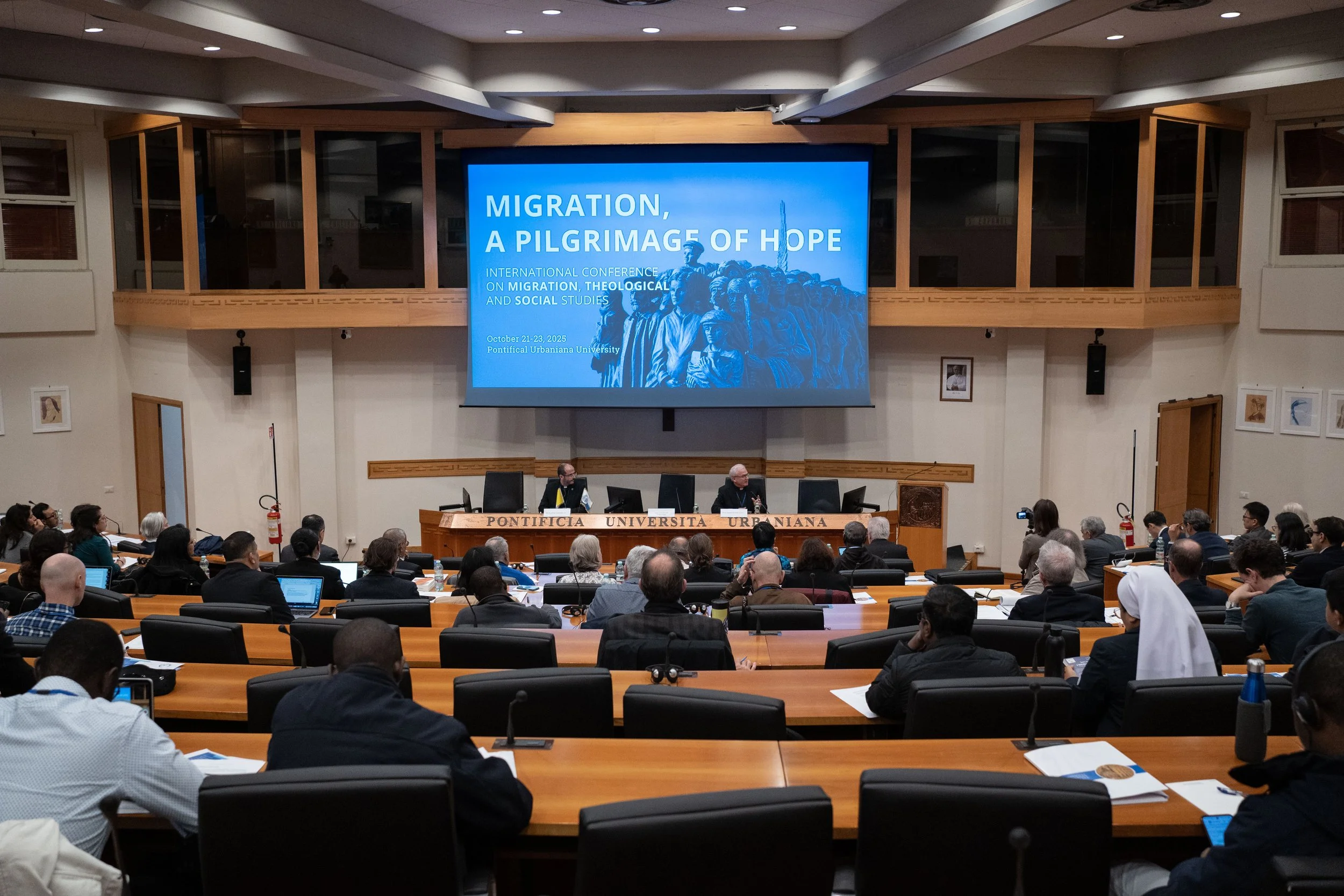
COMEX-ARC develops a research and editorial practice that bridges scholarly inquiry, artistic creation, and lived experience. Our work, collectively and individually, is grounded in participatory and field-based research, combining qualitative methodologies, critical theory, and artistic experimentation to produce knowledge that is both rigorous and socially engaged. We regularly contributes to international conferences, policy dialogues, and academic forums in the fields of migration studies, cultural policy, sociology, anthropology, and political science, including collaborations with institutions such as the Sorbonne (Paris), King’s College, University of Liège, Loyola University Chicago, Pontifical Urbaniana University, and international research centres.
This research is accompanied by continuous academic writing and publication, including peer-reviewed articles, book chapters, research reports, and policy papers addressing migration, identity, cultural governance, artistic engagement, and social inclusion.
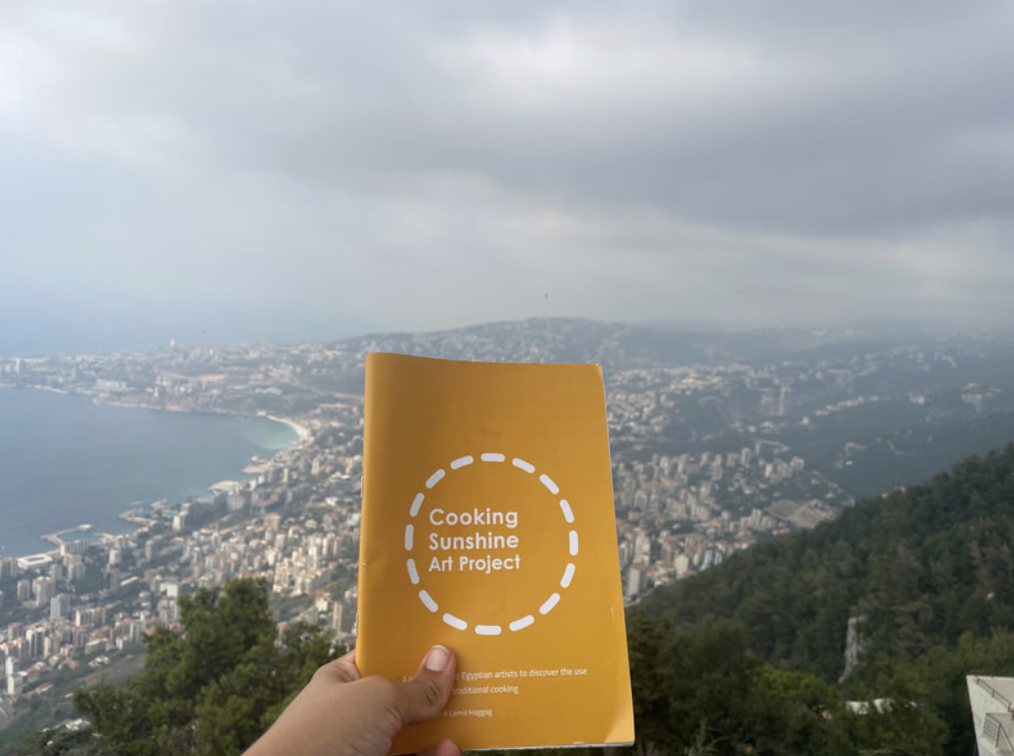
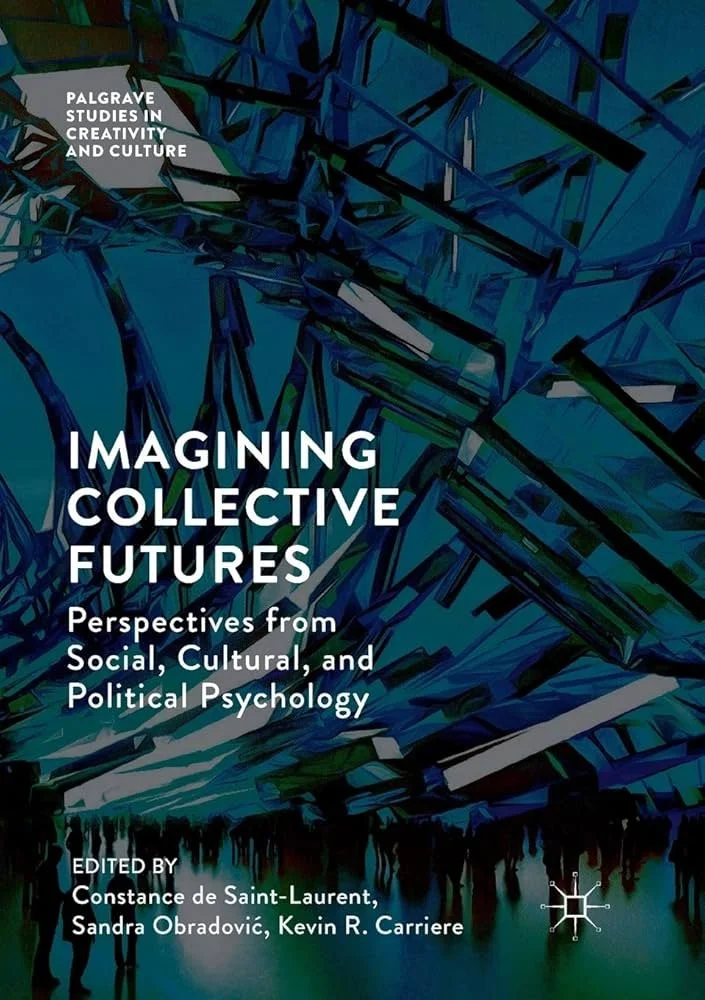
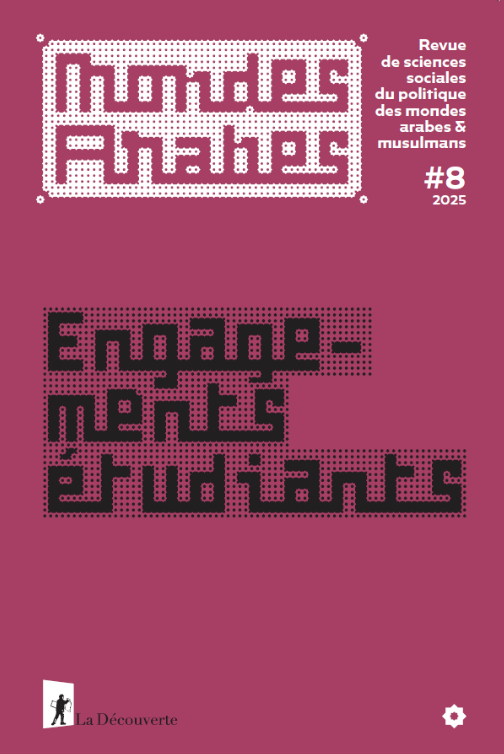
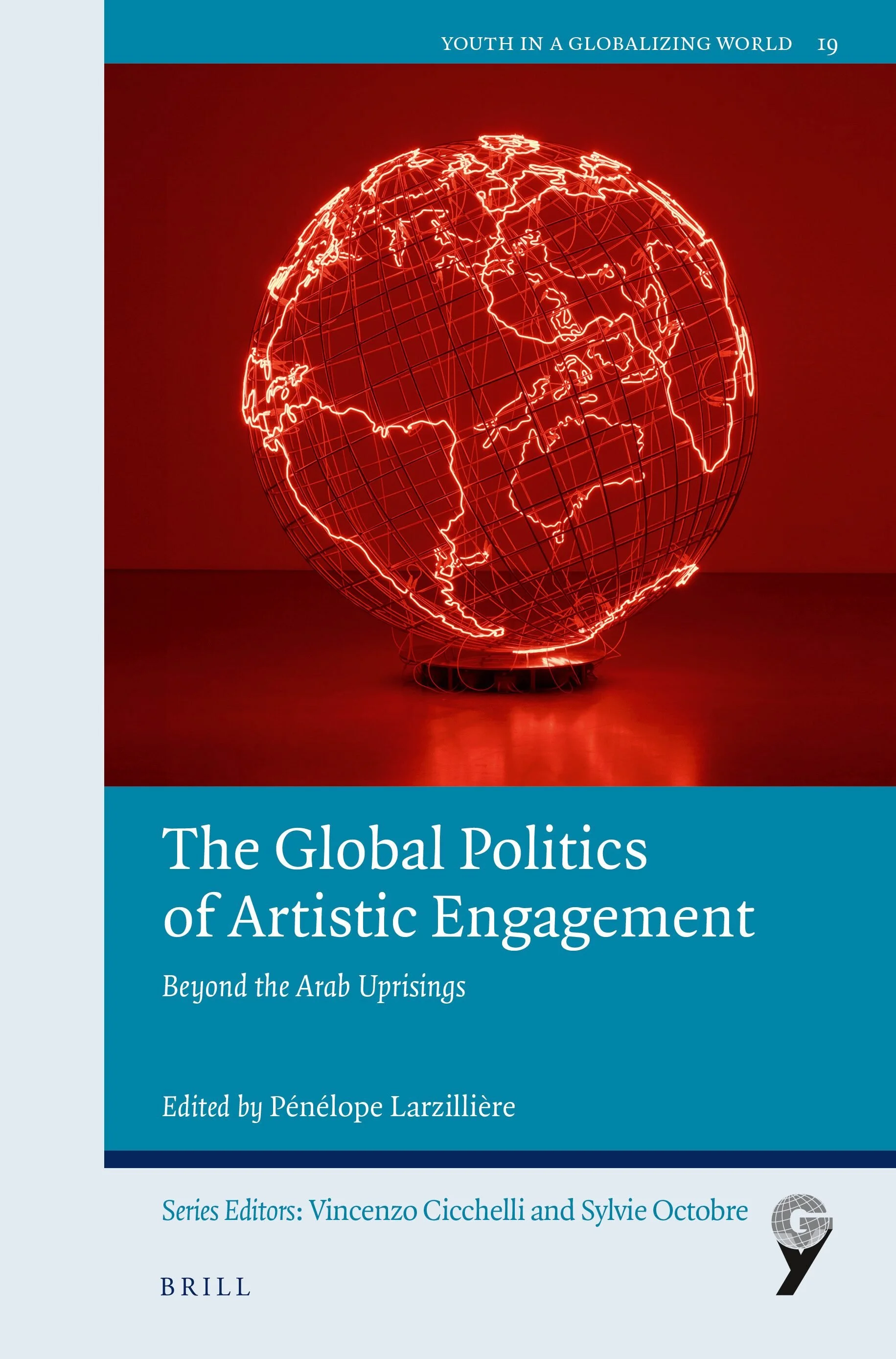
We contribute to collective editorial projects such as Imagining Collective Futures, notably Creating Alternative Futures: Cooperative Initiatives in Egypt, and to publications released by academic publishers such as Brill and Mondes Arabes, as well as institutional reports produced for organisations including the International Organization for Migration (IOM). Alongside this, projects such as Cooking Sunshine explore food and artistic practices as sites of memory, care, and
transmission, engaging Arab food heritage as an embodied cultural and social archive.
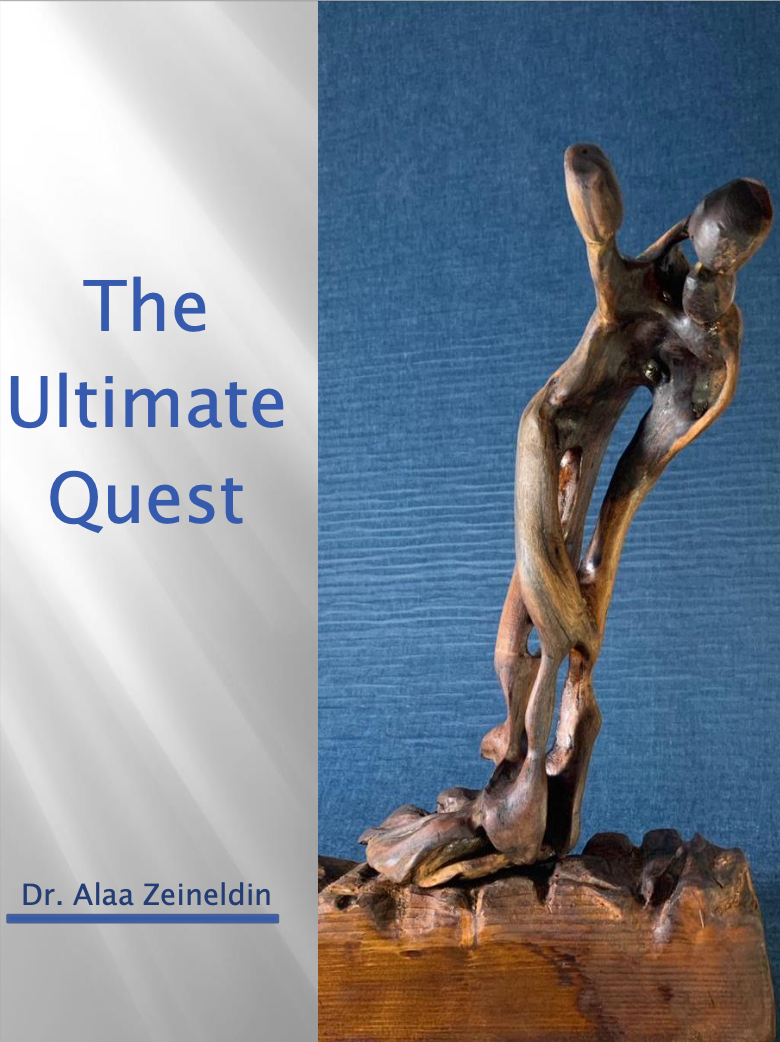
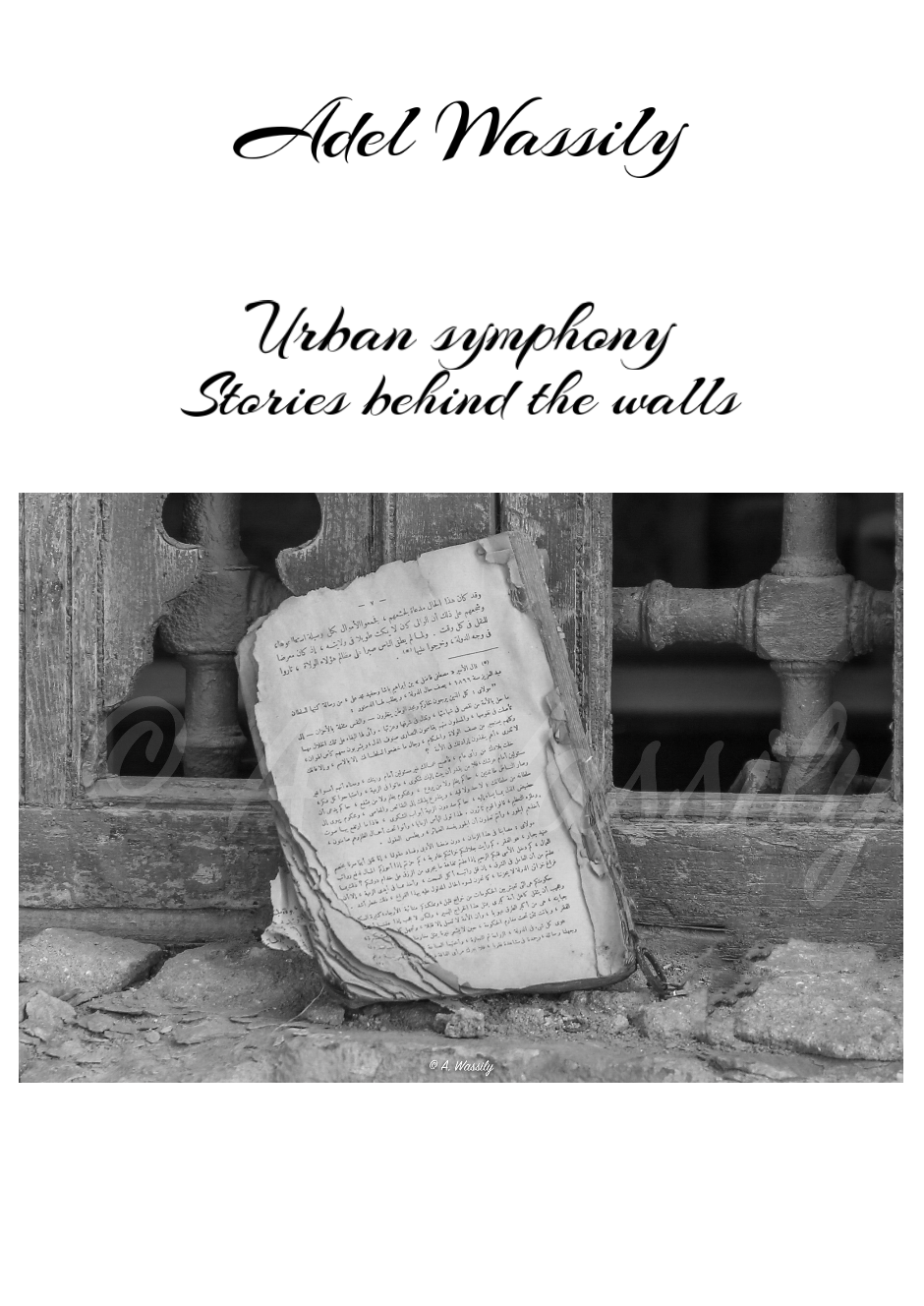
In the art world, COMEX-ARC has produced and contributed to more than twenty booklets, catalogues, and editorial publications
accompanying artists’ projects, exhibitions, and research-based residencies. Conceived as tools for transmission, these publications document artistic processes, contextualise works within broader social and political frameworks, and amplify artists’ voices through critical essays, interviews, and visual narratives. By positioning research as an applied, collective, and accessible practice, COMEX-ARC transforms knowledge production into a tool for empowerment, dialogue, and social change, ensuring that research circulates beyond academic spaces and remains rooted in the realities of artists and communities.