-
FlowCCA is a transnational artistic and civic programme connecting Europe and the Mediterranean through creation, research, and community-based exchange. Conceived as a moving residency and a platform for collective storytelling, FlowCCA brings together artists, researchers, and local communities to explore how narratives, memories, and identities circulate across borders. Starting in Marseille and extending to multiple Tunisian cities, FlowCCA responds to a shared Mediterranean reality shaped by mobility and cultural entanglement. Rather than treating borders as fixed lines, the project approaches them as lived spaces of passage, encounter, and transformation.
-
At the heart of FlowCCA is a multi-phase residency that develops across territories and contexts:
Online preparatory phase focused on capacity-building and critical tools.
Residency in Marseille, engaging local youth, migrant communities, artists, and knowledge-holders,
Sea crossing from Marseille to Tunis, conceived as a floating laboratory for documentation and exchange.
Residency in Tunisia, developed in close collaboration with local partners and communities.
This structure allows participants to work across geographies while remaining rooted in local realities.
-
FlowCCA is distinguished by its intersectional methodology, combining:
community-based artistic practice,
participatory and qualitative research methods from the social sciences,
and cross-border cultural dialogue.
Artistic creation is supported by critical research tools: storytelling, oral history, photography, sound, archives, and memory work. Participants are encouraged to work with communities rather than on them, prioritising consent, shared authorship, and ethical engagement.
Workshops and laboratories draw on experiential and intergenerational pedagogies, including oral traditions, hands-on practices, collective reflection, and peer-to-peer learning. Artists, researchers, organisers, and participants are considered co-learners within the process.
-
FlowCCA focuses on three core thematic axes:
Plural identities and hybrid cultural trajectories,
Collective histories of migration,
The construction of narratives and counter-narratives.
Through artistic production and documentation, the project generates living archives: podcasts, photo essays, visual and sound works, public discussions, and digital resources that give visibility to underrepresented voices and experiences.
-
FlowCCA is designed as a public-facing project. Exhibitions, open studios, workshops, talks, and an online summit create spaces where artists, communities, and audiences meet. These moments promote dialogue, challenge dominant representations, and reinforce the role of culture as a tool for social connection and constructive reflection.
The project also aims to:
support artists’ visibility and professional development,
strengthen local and transnational cultural networks,
and provide open-access tools and methodologies that can be reused and adapted in other contexts.
Organising Team
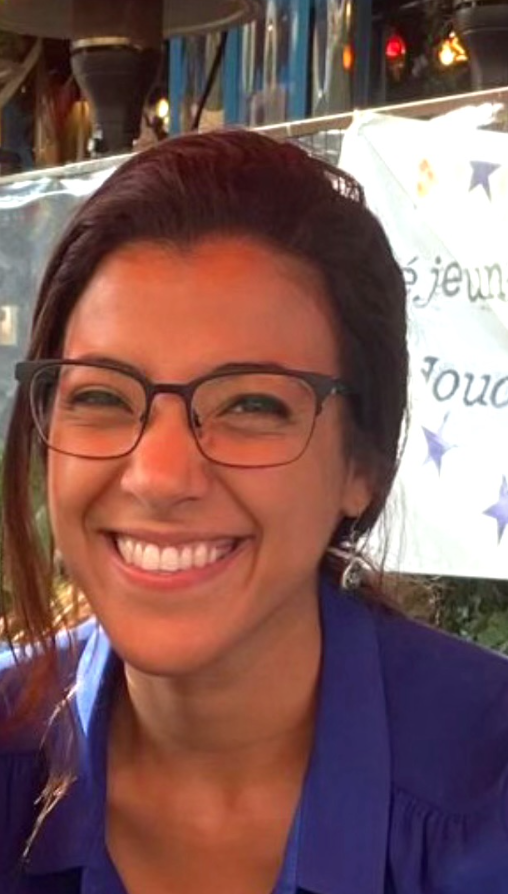
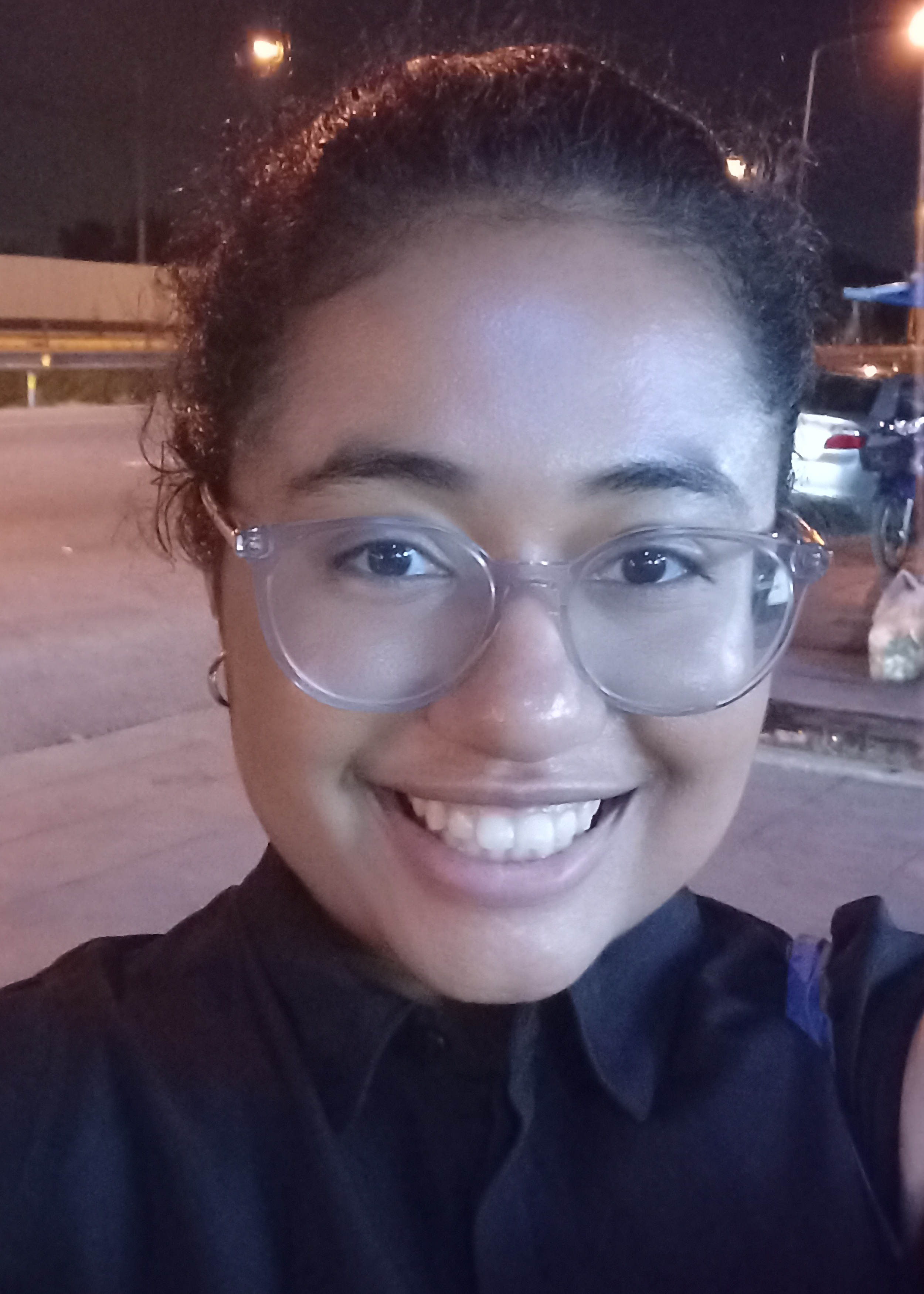
Researcher in sociology and political science, she has worked with several European universities, research centres and international organisations such as Pentheon-Sorbonne, Hugo Observatory, King’s College, French Research Centre of the Arabian Peninsula, IOM.
Her research focuses on cultural policies, art and politics, identity expression, and mechanisms of inclusion and exclusion. Alongside her academic work, she has worked as a curator, project designer, and cultural organiser, working at the intersection of art, research, and public engagement.
At COMEX-ARC, she oversees research methodology, partnerships, and overall project coordination.
Founder & Project Coordinator
Névyne Zeineldin (PhD)
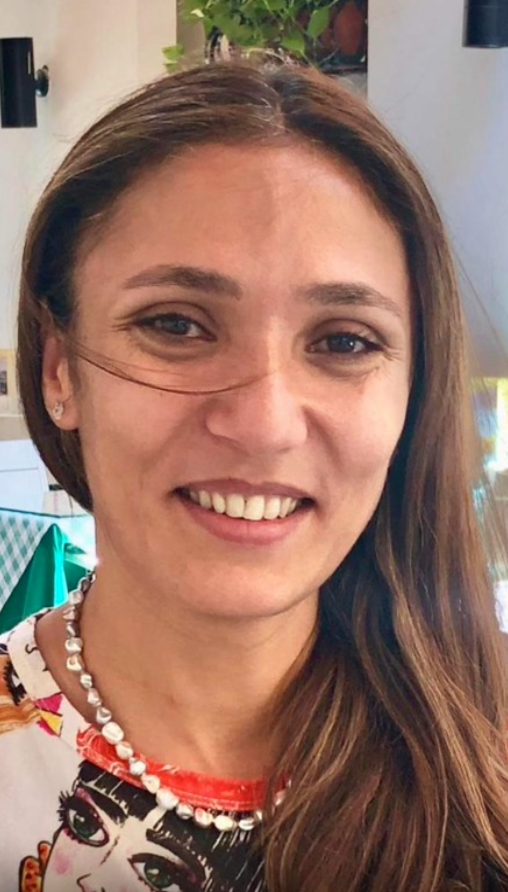
Eman Maarek
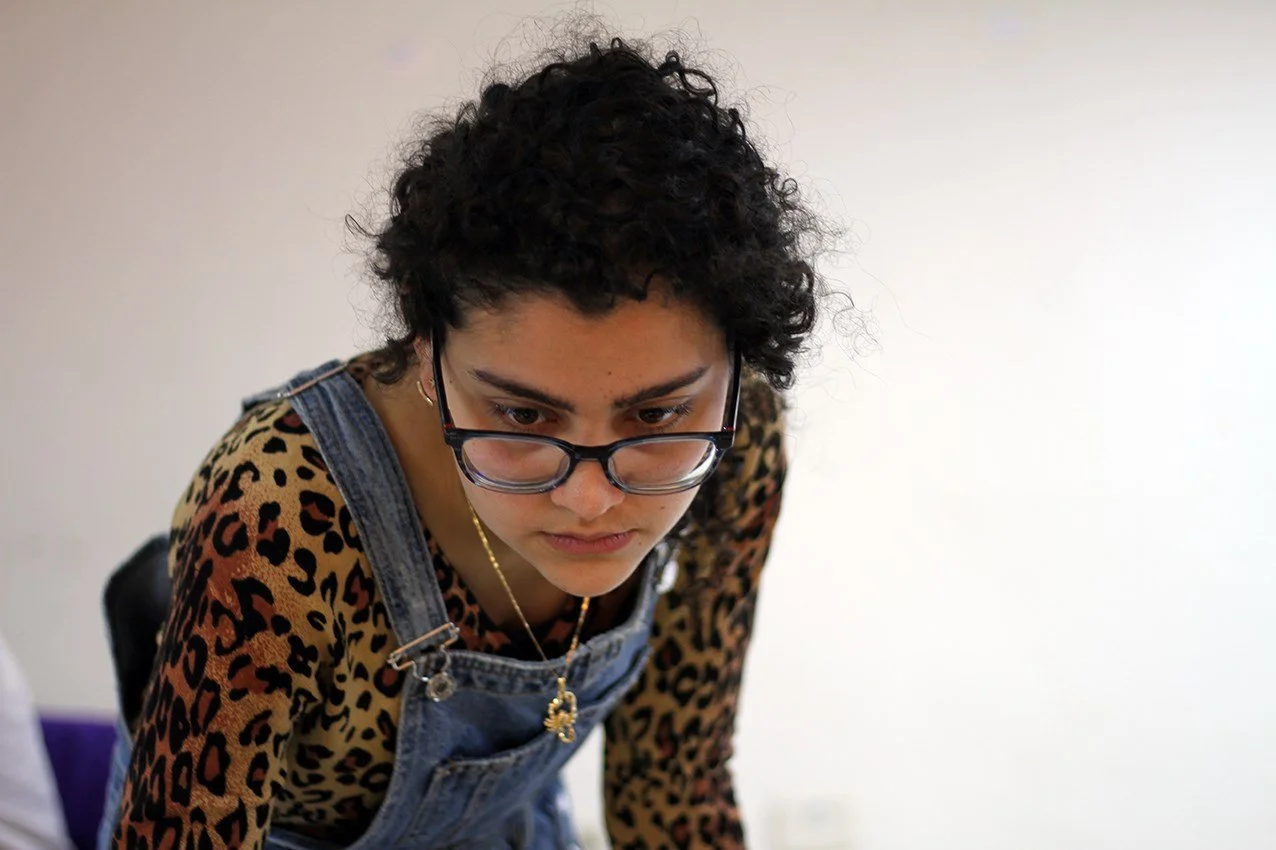
Researcher and training facilitator in development and cultural programmes across the Middle East. She has worked as a programme officer with international organisations (UNDP, EU, British Council), and has participated in academic research programs throughout the years.
Her work centres on community development, youth empowerment, and participatory approaches.
At COMEX-ARC, she leads community engagement strategies, capacity-building activities, and ensures that projects remain rooted in local realities and inclusive practices.
Co-Founder & Community Lead
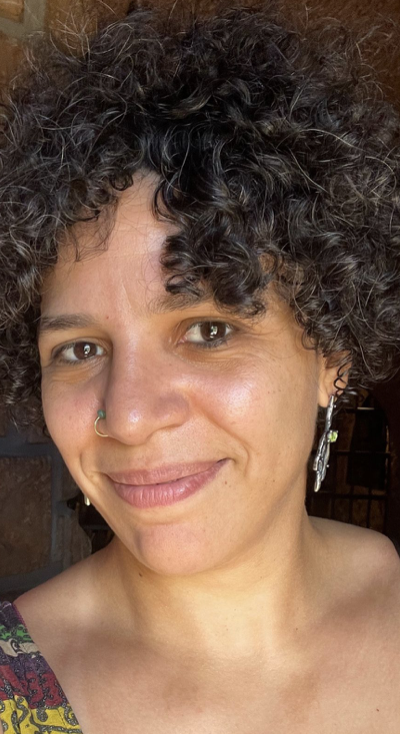
Lamis Haggag
Multidisciplinary artist living and working between Egypt and Canada.
Her work has been exhibited widely across the world and has received numerous grants and awards from major institutions (Canada Council for the Arts, Goethe Institute among others).
She is also part of a duo working on the long-term art project Cooking Sunshine.
As Art Director of COMEX-ARC, Lamis oversees the artistic coherence and visual direction of the collective’s projects.
She shapes curatorial orientations, supports artists’ creative development, and ensures strong links between artistic experimentation and ethical representation.
Artistic Director & Multidisciplinary Artist
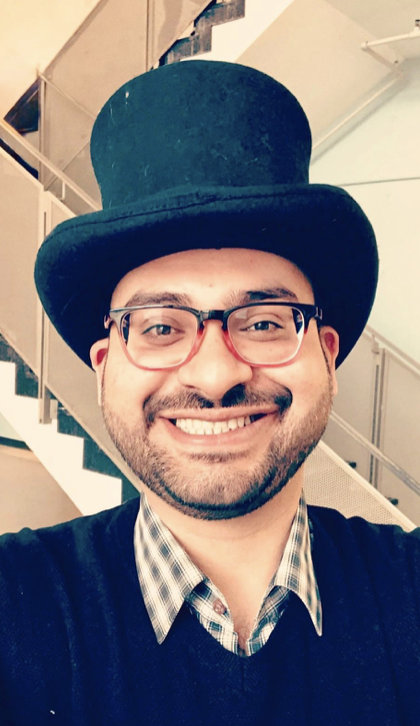
Shady Khalil
Administrative professional, project manager, and performing artist with extensive experience in NGO management, budgeting, and logistics. He has collaborated with organisations such as UNICEF, Save the Children, and the African Union, designing and supporting youth-focused programmes across the MENA region.
Trained in performing arts, he bridges administrative expertise with artistic practice as tools for social change.
At COMEX-ARC, he plays a role as a mentor and curatorial advisor, supporting artists in residency content, while overseeing financial management and internal project structuring.
Project Manager & Administration Lead
A Growing Platform
Supported by European funding for its pilot phase, FlowCCA is conceived as a scalable model.
Its ambition is to grow into a long-term Mediterranean and international platform for residencies, research-based creation, and community-led cultural exchange.
By bridging art, research, and lived experience, FlowCCA affirms culture as a space of movement, responsibility, and shared imagination, across shores, languages, and histories.
FlowCCA’s 2026 Artists
-
![]()
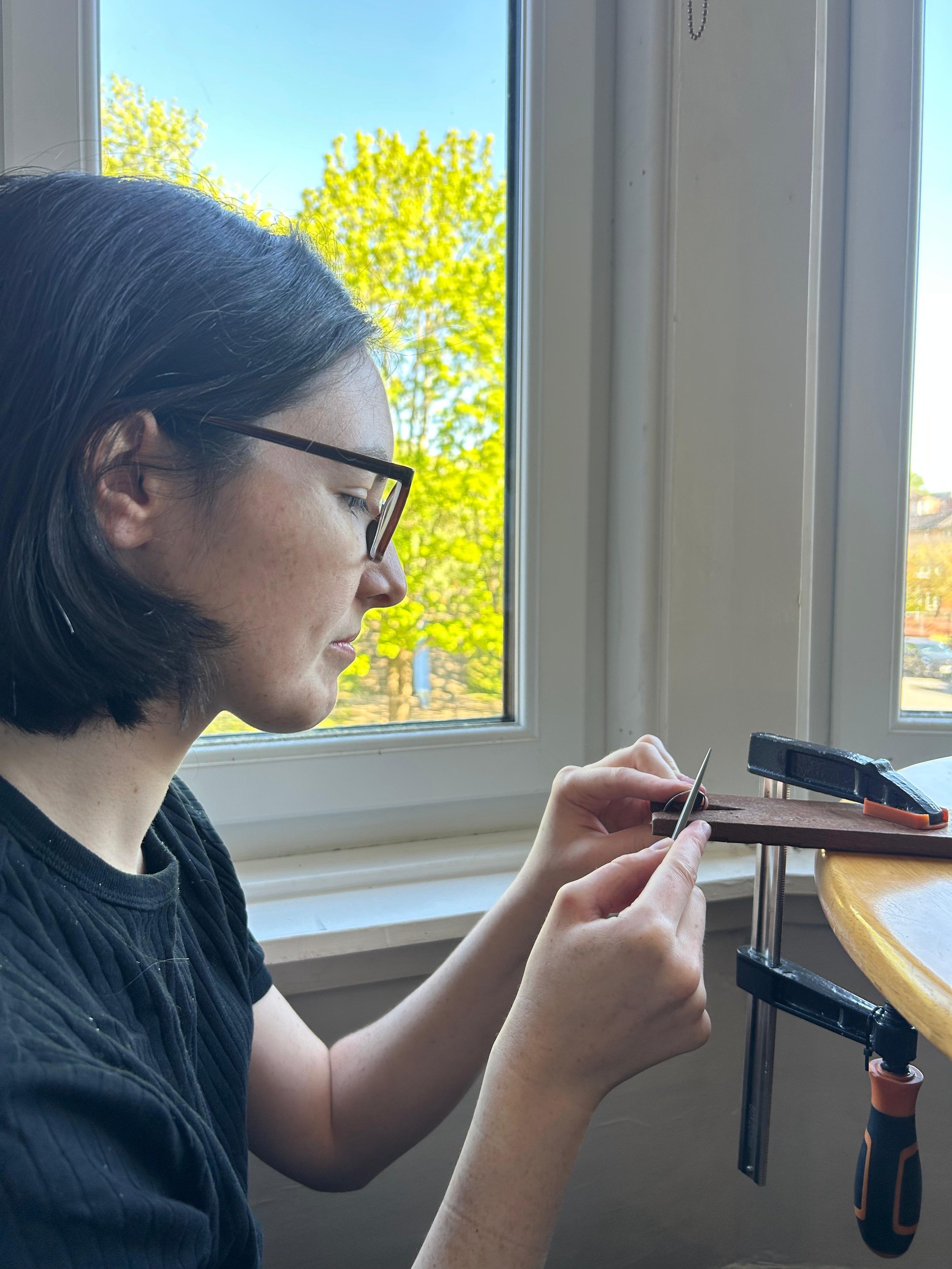
Síofra Collins O’Regan
Artist and Metalworker
Síofra Collins O’Regan is an Irish artist and metalworker, with an interest in applying traditional skills and techniques to explore intersecting ideas.
Her previous studies at University College Dublin, Ireland, focussed on and combined areas of philosophy and ethics, politics and social justice, natural and cultural heritage conservation, ecology and geology. This interdisciplinary background informs her artistic practice and areas of investigation.
Her body of metalwork, jewellery and etchings, includes pieces inspired by critically endangered species and the ecosystems in which they live; landscapes shaped by both natural processes and cultural activities; migration of humans and other species; and myth, legend, folklore and histories passed on through oral storytelling and other traditions, especially in an Irish context. -
![]()
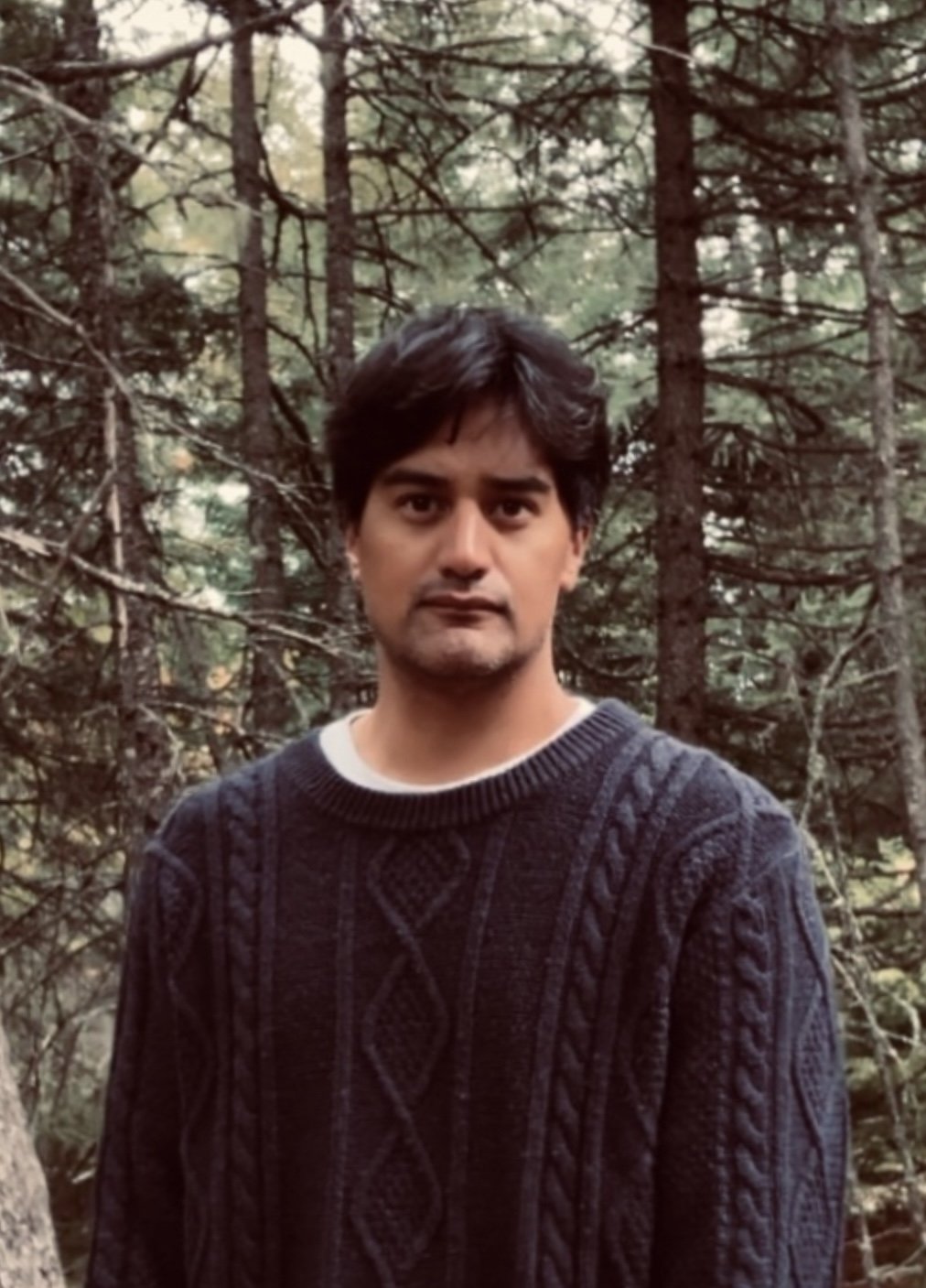
Laurent Good
Visual Artist
Born in French Polynesia, Laurent is a Franco-Ontarian visual artist. In his artworks he enhances the use of Polynesian symbols, traditionally combined to create Tattoo, to figure narrative elements answering contemporary issues.
Focusing his work on identities and highlighting the cross-cultural dialogue between the various aspects of his heritage, he chooses within a wide variety of themes and researches to provide messages of inclusivity and understanding of today's society.
Resulting from a unique combination of characteristic pictorial elements from his diverse regions of origin, Laurent’s artworks are covered with monochromatic and detailed floral patterns, whose meticulous creation requires time and patience, in an intent to convey the sensations experienced by people with Sensory Processing Sensitivity, seeking to represent the cognitive saturation from dealing with overwhelming and complex thoughts. -
![]()
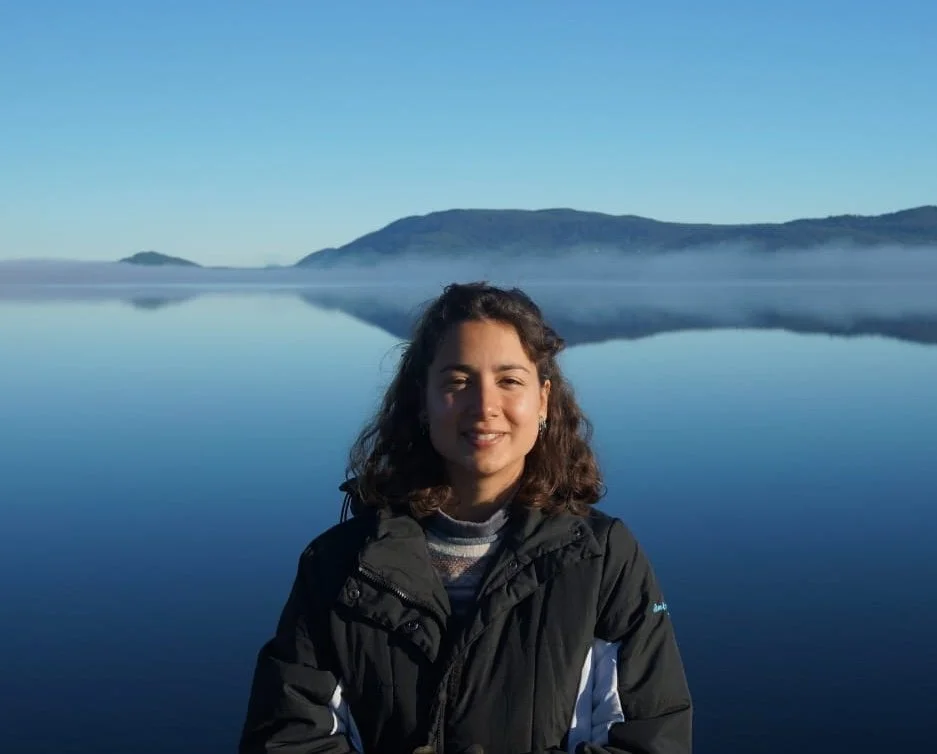
Nicole Vereau Kraemer
Visual and Sound Design
Half Peruvian and half Chilean, Nicole has always lived in the “in-between” spaces among cultures, senses, and disciplines, opening herself to a systemic approach to design, exploring other ways of composing with living systems.
Over the years, she has developed a sensitive ear for territory through field recording and sound ceramics, guiding her toward “low-tech process-based restoration of riverscapes” — an ongoing research movement aimed at understanding the health of water bodies in order to regenerate their complexity.
Currently anchored in the Drôme Valley in France, she works on regenerating links between habitats and inhabitants — all species included — through visual and sound design, as well as cultural and scientific mediation. -
![]()
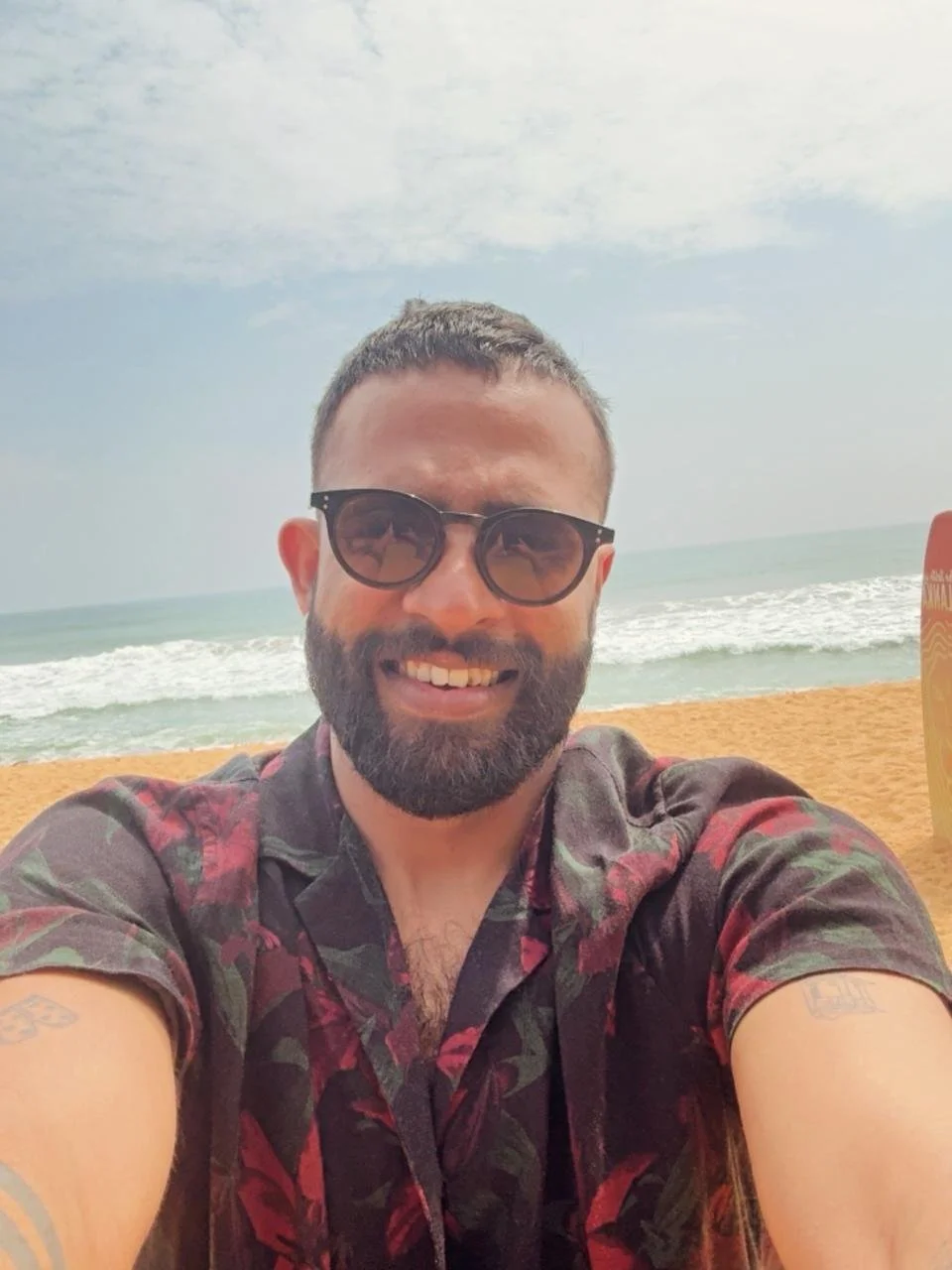
Saad Sheikh
Choreographer, filmmaker, theatre director
Saad Sheikh is a Pakistani choreographer, filmmaker, theatre director, and multidisciplinary artist. Working across dance, film, theatre, installation, and performance, his work examines how bodies carry histories of collective memory. He is the founder and artistic director of Sway Dance Project and the co-founder and CEO of The Colony Lahore, one of Pakistan’s leading contemporary arts spaces. Through immersive performance environments and cinematic visual language, Sheikh merges movement, text, sound, and image to create emotionally charged contemporary works.
His long-running choreography exhibition platform Sway With Us has been presented internationally in Beirut, Berlin, Istanbul, Lahore, Karachi, and Islamabad. -
![]()
Rania Daghmoura
Media Arts
Rania Daghmoura is an emerging artist based in Tunisia. Her interest in animal documentaries, their senses, and essentially their Umwelt, also known as the core concept of ethology, have always nurtured her art practice, which ranges from closed-circuit installations to internet-based art. Her interest in living organisms’ invisible worlds makes her work often capture unique experimental lenses, exploring subjectivity through a non-anthropological perspective. She maintains a professional affiliation with Nōvo Collective in art coordination, notably for the first edition of uncommissioned: “Playground of the Invisible”, an experience that has extended her interest in invisibility to the "behind the scenes" of digital culture, internet infrastructure, and invisible flows that traverse them.
-
![]()
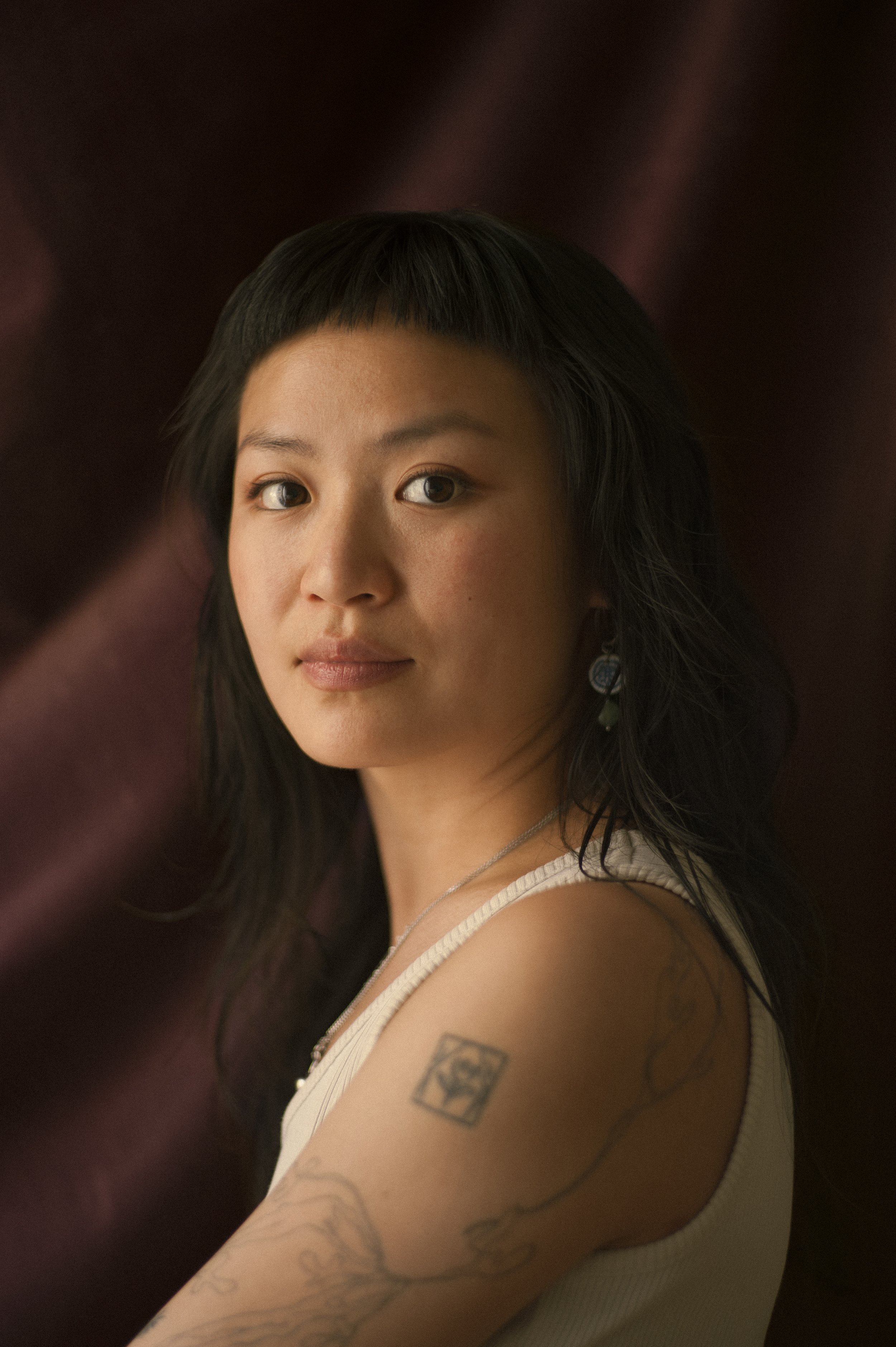
Julia Lê
Photographer
Julia Lê is a self-taught photographer whose practice combines photography, sound, archives and collaborative forms of storytelling. Coming from Vietnamese families exiled in France and the United States, her work focuses on postcolonial diasporic experiences, exploring memory, home, and representation as collective spaces of self-determination. Her work has been exhibited internationally, and has received numerous supports, including the Women Photograph Grant and Mentorship (2025), the ADAGP Artistic Research Fund (2025), the Passerelles mentorship program by Contemporaines (2024), and the Jury Prize for Emerging Talents at the Planches Contact Festival (2023). In line with her photographic practice, she regularly develops workshops, talks and public programming. Since 2022, she has co-programmed the Ici Vietnam Festival Cinéma in Paris, dedicated to emerging filmmakers from Viêt Nam and its diasporas.
-
![]()
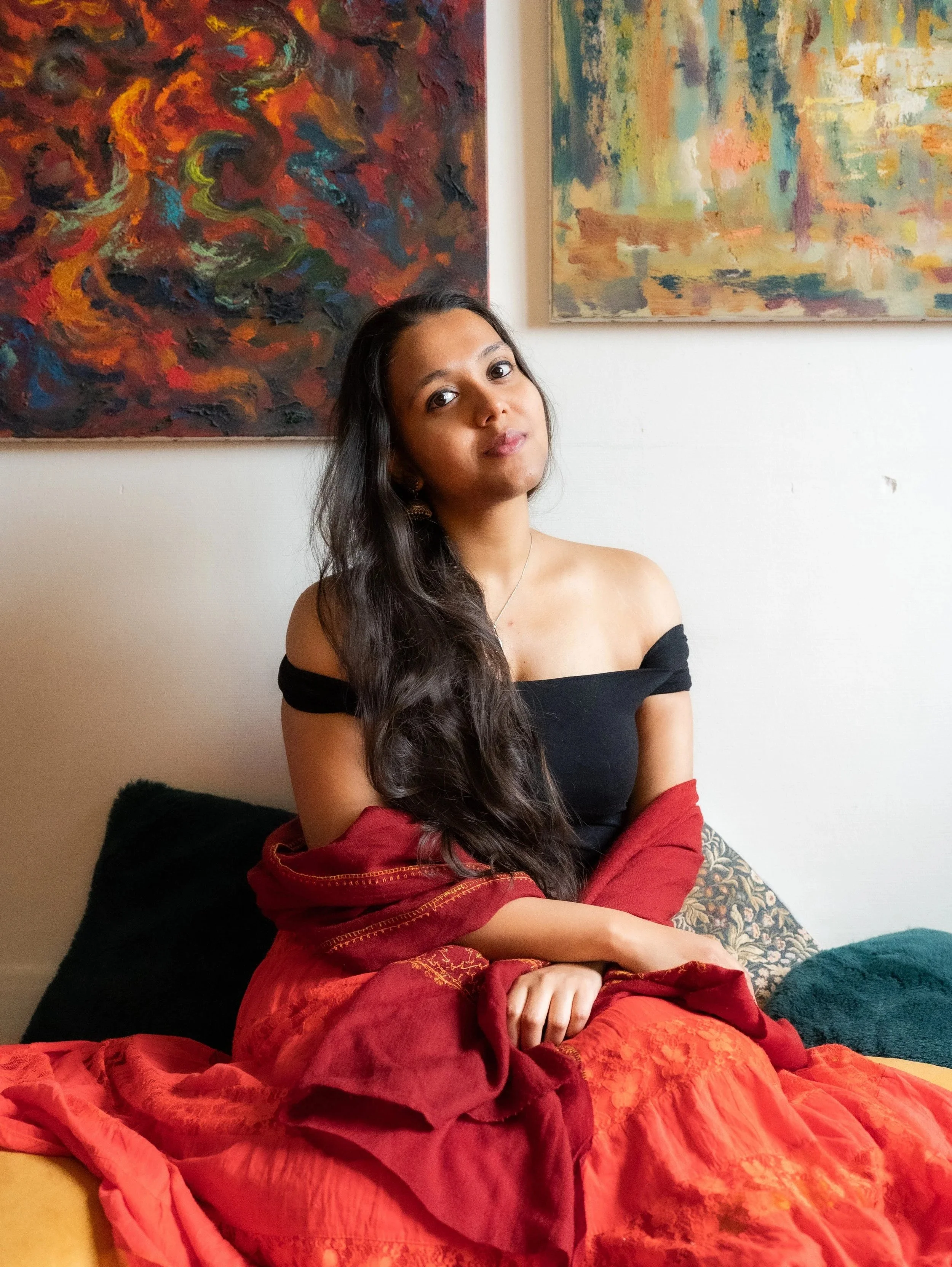
Bonobithi Biswas
Multidisciplinary Visual Artist
A multidisciplinary Indian visual artist, curator and researcher based in Paris, Bonobithi is obsessed with trespassing figurative borders. Her synesthetic arts practice interweaves diverse analogue and digital media, chiefly mixed reality, drawing and painting, photography, poetry film, sculpture, audio art, performance, multilingual writing, and visual poetry, to create multisensory storytelling experiences. The thematic focus of her arts practice is the South Asian post-colonial historic-cultural landscape, synesthetic multilingualism, identity of the female body of colour, and intercultural dialogue through shared safe spaces. Having participated in various artist residencies and group and solo exhibitions internationally and widely on diverse creative writing platforms, Bonobithi’s works have been extensively displayed in cities across Europe and Asia, including the 59th Venice Biennale of Art.
-
![]()
Kenza Boumaaz
Material and Culinary Designer
Kenza Boumaaz is a material and culinary designer and a Master's student in Food Heritage at the CESR, University of Tours. She is also a member of the Laboratoire des Imaginaires (Nantes, France) and the media collective l'Etincelle, a group of young aspiring journalists and creatives. Her work focuses on how imagined futures around food take shape in the face of social and environmental crises.
She weaves together storytelling, co-creation, oral memory and craft to build connections between living heritage, territories and possible futures.
She draws on science fiction and popular culture as tools for critical emancipation and the construction of new collective imaginaries at the intersection of food, fiction and artistic experimentation. -
![]()
Amira Chihaoui
Visual Artist
Amira Chihaoui is a visual artist based in Tunis. Her practice spans immersive video installation, photography, and glitch aesthetics. She uses digital distortion to reveal invisible flows of pollution, ancestry, and memory, that shape bodies and landscapes across borders.
Her work has been presented at LUNA Festival (2026), Shubbak Festival (2025), TGM Gallery (2025), and SEE DJERBA (2023, 2025). -
![]()
Arij Bouchami
Visual Artist
Currently pursuing a Master’s degree in Entrepreneurial Management and Marketing of Cultural and Creative Industries, Arij has gained hands-on experience within the cultural scene in Tunis through various roles in festivals and art spaces.
Alongside this, she continues to develop her artistic practice in visual arts, particularly photography and collage. Her work mainly focuses on photomontage and photocollage, using photography as both a documentary and expressive medium.
Starting from her own photographs, often capturing everyday scenes, she then intervenes manually or digitally through layering, cutting, and assembling images to create new visual narratives.
Through this process, she explores the ability of the image to move beyond straightforward representation toward a more subjective and poetic composition, questioning the photographic medium and its relationship to perception and representation.